





The third instalment of long-standing Port Vale supporter Stuart Dean’s memoirs of decades supporting the club…
This is part three and contains a spell that Stuart identifies as his all-time low as a Vale supporter followed by a revival under Gordon Lee.
75 YEARS OF SUPPORTING THE VALE - PART THREE

By Stuart Dean
At the end of September 1962 Norman Low had travelled to Huddersfield Town to sign Willie Davie for a £20,000. However, during his absence, the Port Vale directors finalised agreements for Freddie Steele to return to the club, and upon his return Norman found himself out of a job. Quoting Roy Sproson:
It was one of the biggest mysteries to me why Norman was sacked at a time when we were sixth from the top of the Third Division. I felt that Fred had changed when he came back. He had not got the same enthusiasm and drive as before…
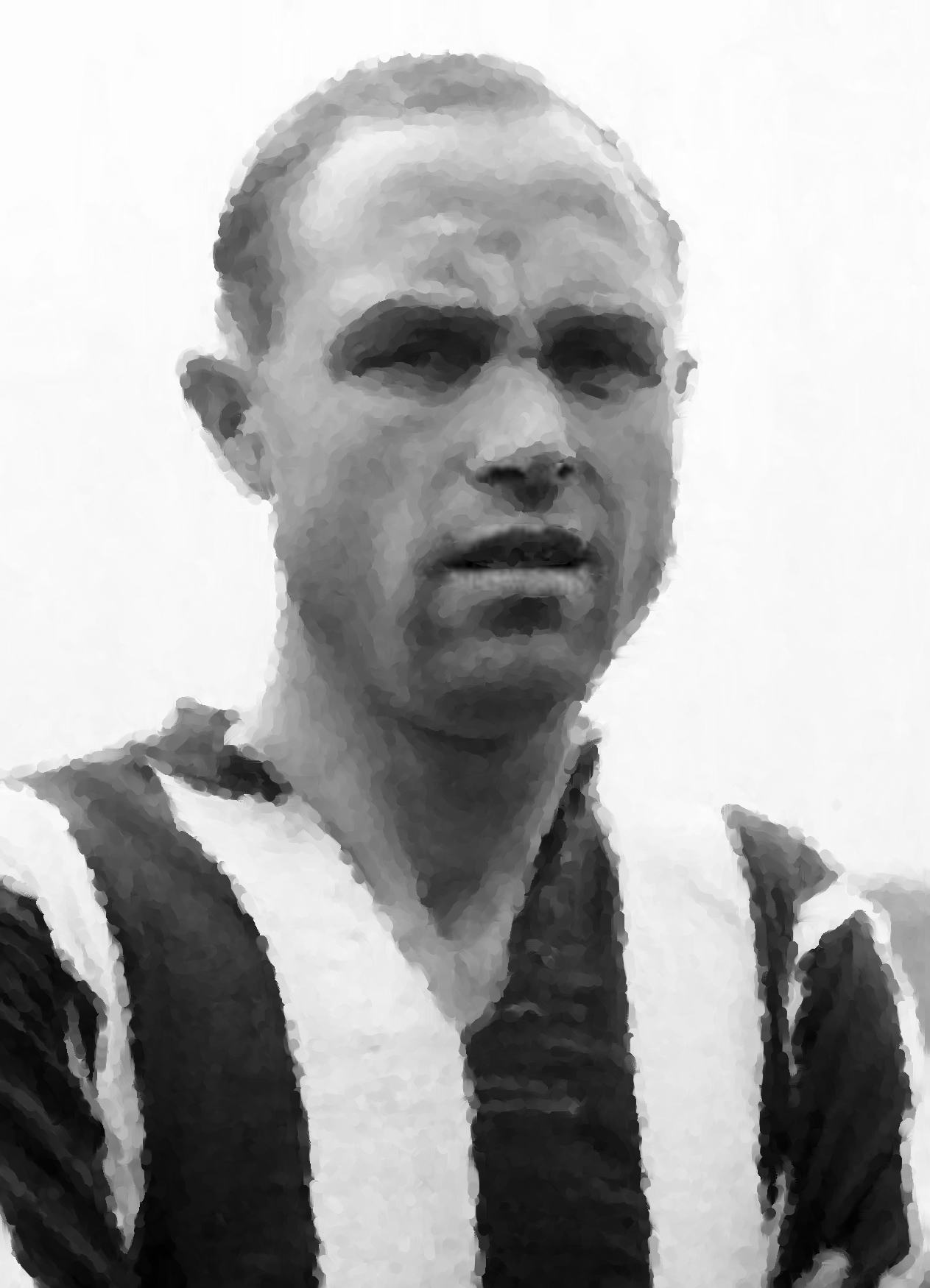
Freddie Steele
Looking back, I think the decision to relieve Norman of his duties was one of the worst decisions made by a Port Vale board and led to a gradual decline of the club, which was only arrested when a young Gordon Lee was appointed as manager.
Steele sold Bert Llewellyn to Northampton Town for £7,000 and Arthur Longbottom to Millwall for £2,000; before boosting his strike-force with Tony Richards from Walsall for £9,000. The Vale finished 1962–63 third in the Third Division, four points shy of promotion.
He spent big for the 1963–64 campaign, bringing in Northern Ireland international Billy Bingham from Everton for £15,000; Albert Cheesebrough from Leicester City for another £15,000; as well as Walsall’s Tim Rawlings for £4,000 and winger Ron Smith from Crewe Alexandra for £6,500.
In mid-season he further splashed out £12,000 for both ex-Scotland striker Jackie Mudie and left-back Ron Wilson, both from Stoke City. His team finished a disappointing 13th, though in the FA Cup they beat top-flight Birmingham City and held Liverpool to a goalless draw.
For the 1964–65 season he signed Ron Andrew (£3,000 from Stoke City), as well as goalkeeper Reg Davies from Leyton Orient. The campaign started badly. Steele tried rotating the team and keeping a settled side, but results continued against the Vale. With the club bottom of the league, despite the money he had spent in the transfer market, Steele left ‘by mutual consent’ in February 1965.
After Freddie Steele’s departure, Mudie became player-manager in February 1965, combining for a third time with boyhood Vale supporter Stanley Matthews, who became the Valiants’ general-manager a few months later after playing his final First Division match for Stoke five days after his 50th birthday. They could not prevent the club from sinking into the Fourth Division.
Stan pursued a youth policy, signing top youngsters from Scotland together with a few top amateurs from the North East – Jimmy Goodfellow; Mick Mahon and John Ritchie. All of the youngsters were given ample opportunities to break into the first team. In fact the Vale fielded a teenaged forward quintet at Bradford City.
The only ones that made the grade were Micky Cullerton and Tommy McLaren. Stan turned out to be a very naïve manager who knew very little about the FA rules concerning the payment of young professionals. It turned out that many of the payments being made to these young lads and their parents as incentives to join the club were illegal. There was no attempt to cover up these payments. They were fully documented in the Board minutes and copies sent to the FA. Port Vale were charged with:

Billy Bingham
1) That a number of registered amateurs and associate school boys had received a regular weekly wage in contravention of FA Rule 25 (A); 2) That associated school boys had played for the club in contravention of FA Rule 33 and League Regulation 48; 3) That extra bonuses had been offered in contravention of League Cup Rule 16 to players to beat Chester F.C. in the League Cup-tie played on August 21 1967; 4) That a signing on bonus had been paid to J. Ritchie on the 6th May 1967, in contravention of Football League Regulations 42; 5) That signing on bonuses of £300 and £200 had been paid to C. W. Boulton and G. T. Logan respectively in contravention of Football League regulation 42; 6) That a Director of Port Vale F. C. had made many gifts to young players, and the club was aware of this as minuted 14 January 1966, which would appear contrary to FA Rule 25 (A)
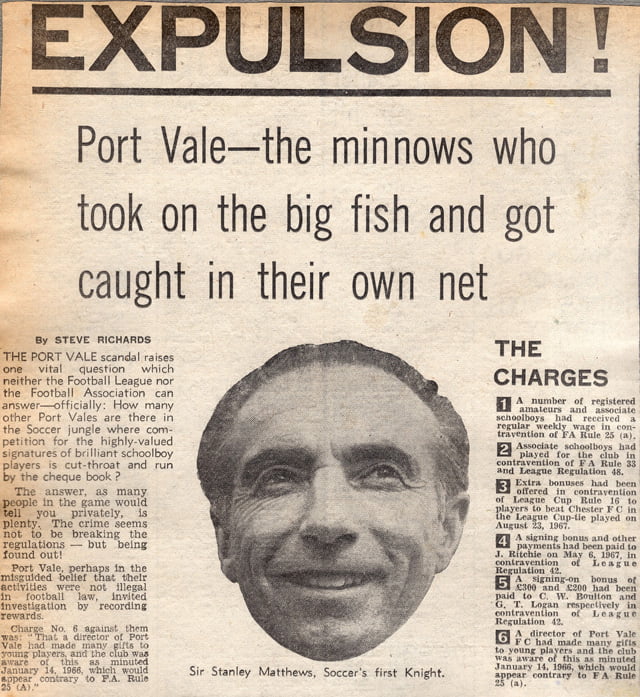
The lowest point
I have listed the charges in full, as it illustrates quite clearly how badly the club was managed with the rules under which it should have been run being completely ignored, probably through ignorance rather than deliberate action.
As a result on the 20th February 1968 it was announced that we were to be expelled from the Football League at the end of the season and fined £4,000. The first match after the guilty verdict was away at Hartlepool United on Saturday 24th February. We drew 2-2 ,with Mick Mahon getting both our goals, but I’ve never experienced abuse like we received that day from the opposition supporters – it was incessant before, during and after the game.
Looking back this ranks as my all time low as a Vale supporter. The Vale applied for re-election and were readmitted to the Football League by forty votes to nine at the Annual Meeting of the Football League in London. The League clubs were probably influenced by the fact that Vale were implementing considerable changes in administration following the findings – with a new Chairman, new Directors and a new manager. This marked the end of the Matthews/Mudie era – an all time low for the Vale. Not all my memories of that period are bad ones.
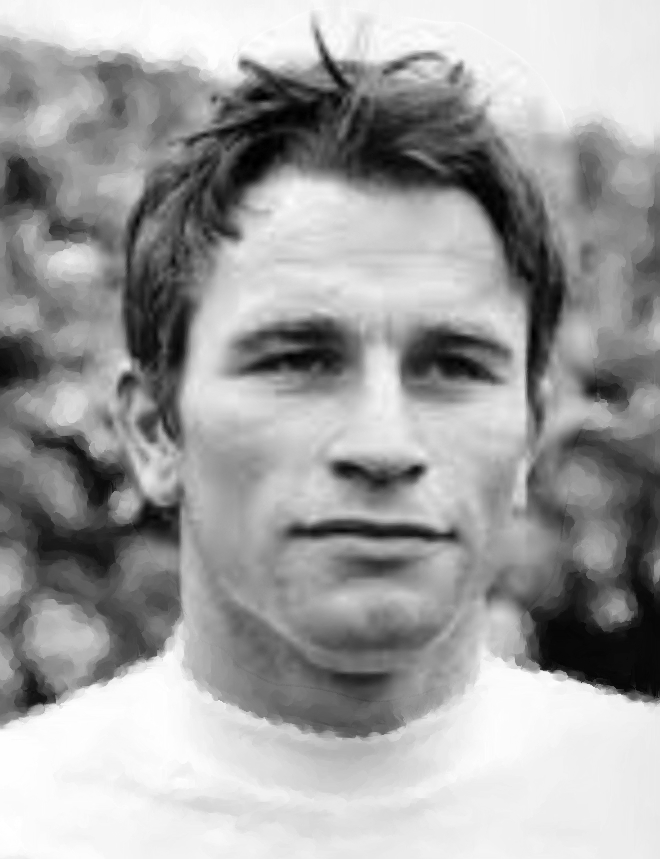
John Ritchie
I particularly remember a match at Vale Park on the 23 August 1966 in the League Cup versus Walsall. It was the best contest between two individuals I’ve witnessed.
John Ritchie (the one who had been paid an illegal signing on bonus in 1967!) was playing right-back for the Vale. John had played for Whitley Bay before joining in December 1965. He made 22 Fourth Division appearances in the 1965–66 season, and scored his first goal in the Football League on 26 February, in a 3–1 win over Darlington at Vale Park. He scored three goals in 32 matches for Jackie Mudie’s “Valiants” in the 1966–67 season, and scored a memorable 40 yard “goal of a lifetime” in a 2–1 win over Bradford City at Valley Parade in an FA Cup first round match on 26 November. He was sold to Preston North End for a £17,500 fee in April 1967.
John was a hard tackling full-back who neither asked for or gave any quarter. This day he was up against Walsall’s left winger, Colin “Cannonball” Taylor – a prolific goalscorer and another who gave no quarter. The harder John tackled Colin the more he got stuck in and came back for more. Eventually Colin’s persistence paid off and he scored and we lost 1-3.
At the end of the game both players embraced in mutual respect.
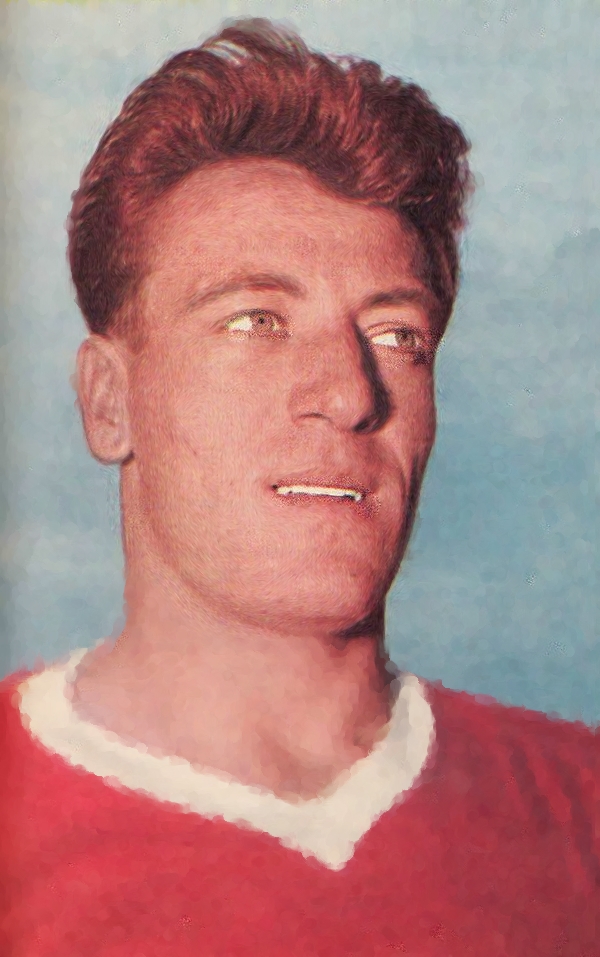
Colin Taylor
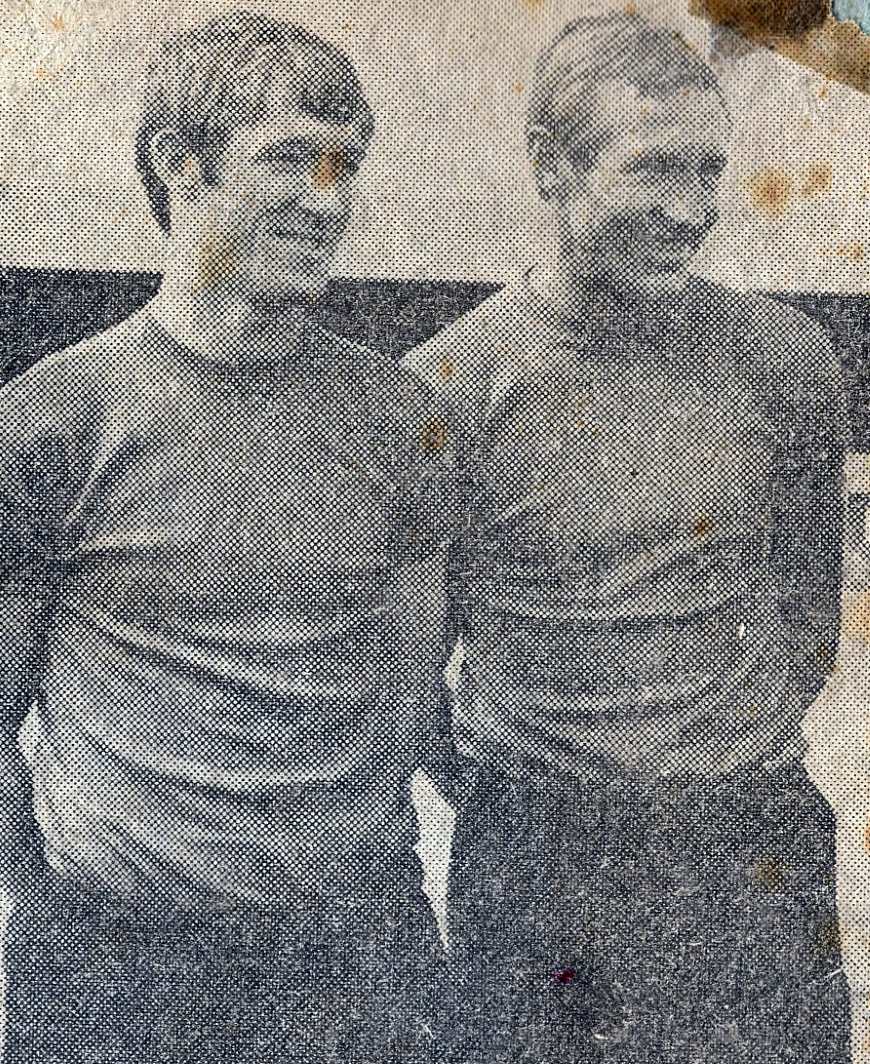
Roy Chapman (R)
I also remember my first visit to Feethams in January 1968 and being outside the turnstiles when the Vale team coach pulled up. Roy Chapman, the Vale centre forward, offered to get me a complimentary ticket. I waited ages – not knowing what a long walk it was from the turnstiles to the football ground, a large cricket pitch being between the two – eventually paid and then met Roy coming the other way with my free ticket.
I remember being quite surprised walking back to the football ground that Roy (he seemed massive on the pitch) was no bigger than me. I can’t remember too much about the match itself apart from that Darlington centre forward at the time was a local dentist – Lance Robson and it being a 2-2 draw with Roy scoring one of our goals.
Throughout the sixties the Vale developed a bad habit of rejecting young players who went on to have outstanding careers elsewhere. I can’t recall this ever being a problem at any other period except perhaps when Micky Adams got shot of Sam Morsey after a shocking tackle that got him sent off – quite the opposite, usually when you are rejected by the Vale it means the end of a career in the EFL.
It started with John Archer going to Bournemouth & Boscombe Athletic in 1961. Archer graduated through the Port Vale junior squad to sign as a professional in July 1958. He made his Third Division debut in the 1959–60 campaign under manager Norman Low. He scored twice against Wrexham in a 3–1 victory at Vale Park on 16 April 1960, finishing the campaign with three goals in six games. However, he featured just four times in 1960–61 and was moved on to league rivals Bournemouth & Boscombe Athletic on a free transfer in May 1961, then managed by Bill McGarry.
He scored two goals on his club debut. Bournemouth were pushing for promotion and finished in third place, three points short of promotion. He scored 37 goals in 139 league games on the south coast. He then moved on to Ernie Tagg’s Crewe Alexandra for a £3,000 fee and was converted from an inside forward into a midfielder. In January 1968, Archer was sold by Crewe to Huddersfield Town for a fee of £8,000 plus a player in exchange. He played nine Second Division games without scoring in the 1967–68 campaign and struggled with injuries.
Archer then went to Chesterfield, where he was also appointed club captain after being signed for a £1,000 fee in May 1969. Archer scored two goals direct from corners during the 1969–70 season. Fans nicknamed him Dan Archer after ”The Archers” radio programme. He played a total of 129 games for Chesterfield, scoring 24 goals. John scored 87 goals in 371 professional appearances.
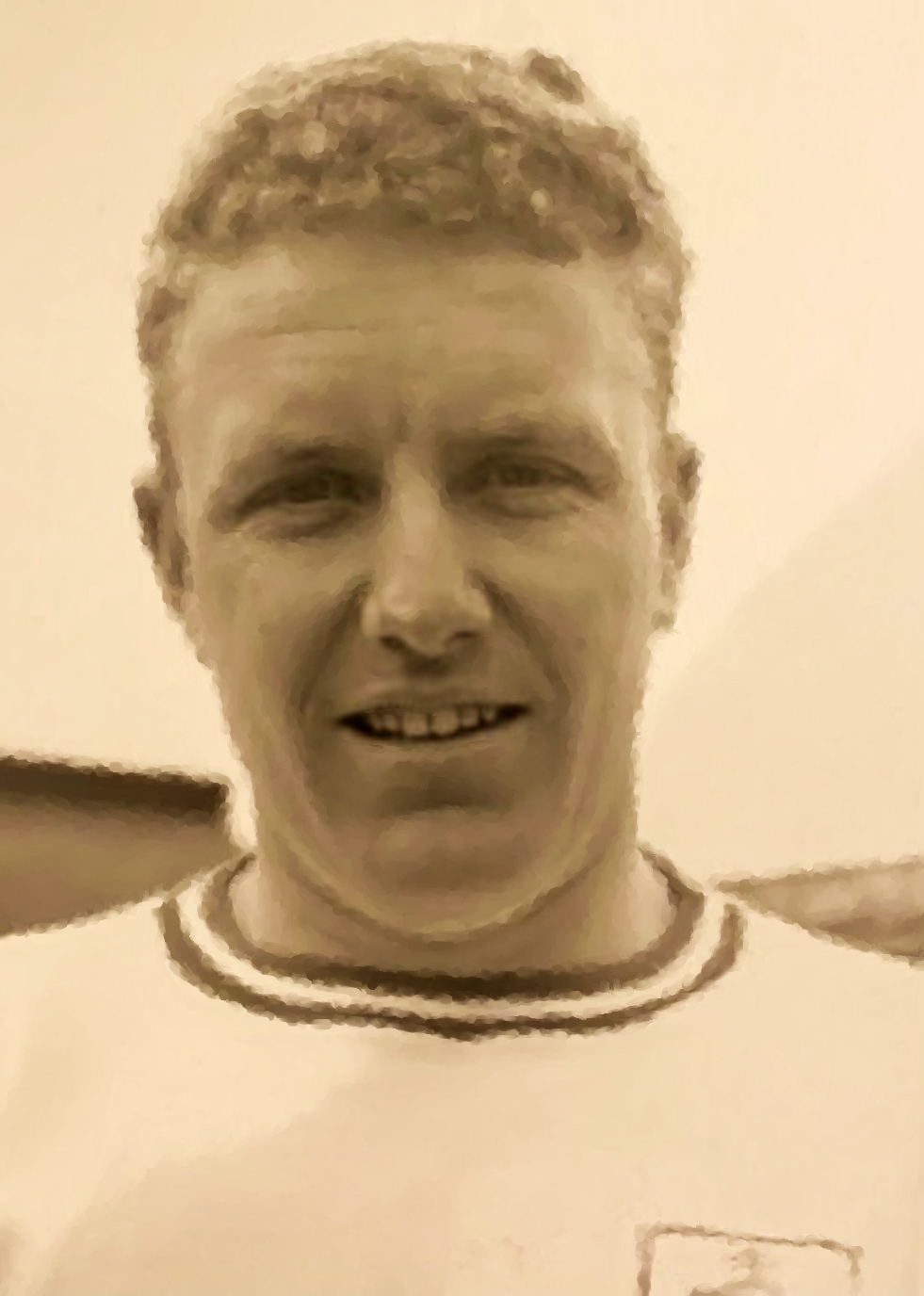
John Archer
Roy Gater
The next to go was centre-half Roy Gater in 1962. Gater passed through the Port Vale youth team to sign professional forms under Norman Low in April 1960. He made his debut on 4 April 1961, in a 1–1 draw with Coventry City at Highfield Road. He played one further Third Division game in 1960–61, and was also a member of the side that won the Supporters’ Clubs’ Trophy. He only made three league and two FA Cup appearances at Vale Park during the 1961–62 season.
He was sold to Bill McGarry’s Bournemouth & Boscombe Athletic for a “small fee” in June 1962. In his six years at Dean Court, Gater scored three goals in 216 league appearances. He then transferred to Ernie Tagg’s Crewe Alexandra. In five years at Gresty Road, Gater scored five goals in 156 league games. He moved on to Southern League sides Weymouth, Dorchester Town and Christchurch (as player-manager). He later became a coach at Poole Town before returning to Christchurch as manager.
I remember Roy really well. The first time I opened the batting for Alsagers Bank was at Red Street and Roy, who was back home at Red Street for the Summer from Bournemouth, opened the bowling. One of many encounters over the next few years.
Then Mel Machin in 1966. Despite being a Stoke City fan, Machin started his playing career at Port Vale, signing professional forms in July 1962 after being a star for Knutton Village Hall. He made the odd appearance from October 1962 to 1964, after which he started appearing rather more frequently. He was not a favourite with Stanley Matthews, or trainer Lol Hamlett, as he had a habit of talking back to the pair.
In all competitions he made 32 appearances, scoring 6 goals, being utilised mostly as an inside-forward. In 1966 he moved on to Gillingham, where he made his name before he transferred to Bournemouth & Boscombe Athletic in 1970. In 1974, he signed with Norwich City, converted to a full-back, played 117 times and scored four times for the club. He conceded a penalty in the 1975 League Cup final defeat to Aston Villa at Wembley Stadium, handling on the line to prevent a headed goal from Chris Nicholl.
After problems with injuries he finished his career in 1978, following a brief spell in the NASL with Seattle Sounders, in which time he was named in the NASL All-Stars team. After retiring as a player, Norwich then invited him to join their coaching set-up.
He worked as youth team and reserve team coach and was then promoted to chief coach before being appointed as assistant to manager Ken Brown. He was later voted into Norwich City’s Hall of Fame in 2002. The partnership finished in May 1987, when he accepted an offer to manage Manchester City. After two seasons in charge, he got the club promoted to Division One with a young and promising squad. In the first season in the top-flight, his team beat local rivals Manchester United 5–1 on 23 September 1989, in what Alex Ferguson described as the lowest point of his career. Despite the victory, two months later, on 27 November, Machin was sacked by chairman Peter Swales as the club was bottom of the division.
He became Barnsley manager on 29 December but resigned on 5 May 1993, as he was disillusioned with the club policy of selling their best players to make ends meet. Machin then worked as a scout for West Ham United, Tottenham Hotspur and Liverpool before he was appointed manager of Bournemouth in September 1994. In his first season at the helm he managed to keep the club in the Second Division despite a start with seven consecutive defeats and a serious financial crisis. In 1998, Bournemouth lost to Grimsby Town in the Football League Trophy final in their first ever Wembley appearance.
In August 2000, he became director of football and later retired on 29 August 2002, having had his testimonial match the previous month, before briefly managing Huddersfield Town in 2003.
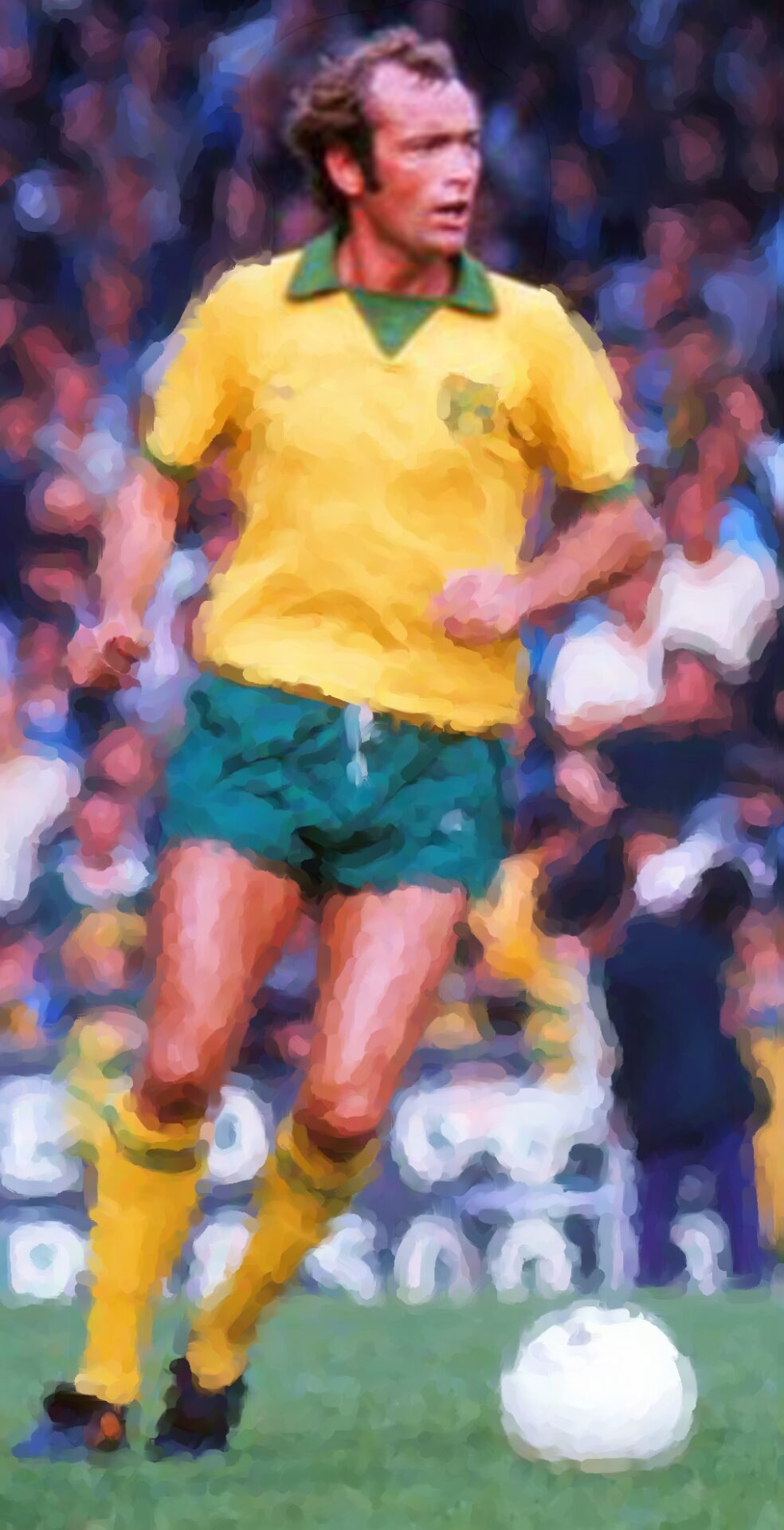
Mel Machin
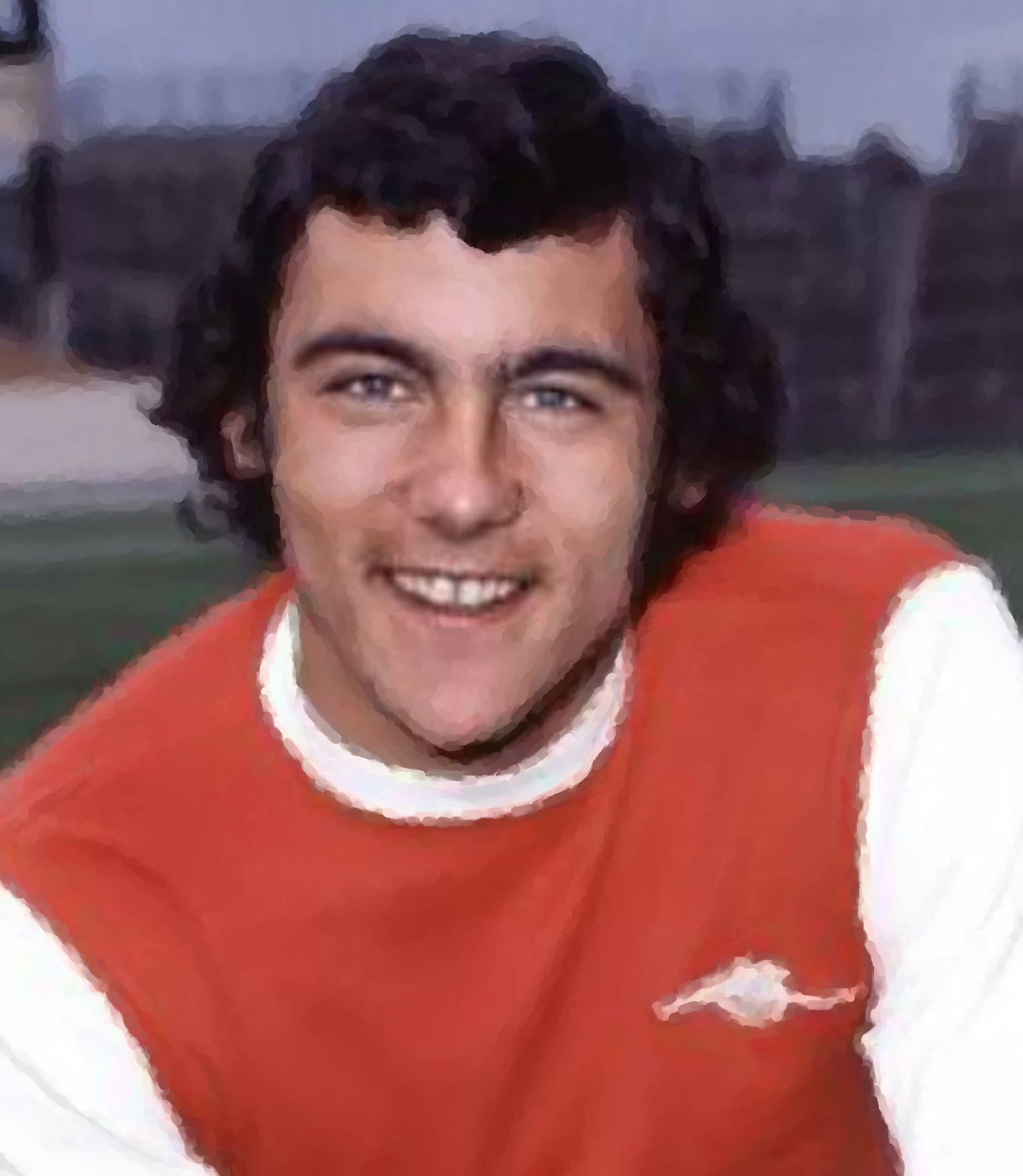
Ray Kennedy
Then Ray Kennedy in 1967. Ray Kennedy was born on 28 July 1951 in Seaton Delaval, a former pit village in Northumberland. He was spotted playing schoolboy football by a scout at Port Vale and began training at Vale Park after manager Stanley Matthews came to the Kennedy home to persuade him to sign schoolboy forms at the club.
However, at the age of 16 Matthews felt Kennedy was “too slow to be a footballer” and the club released him after being told that he would never make it as a professional. He went on to win every domestic honour in the game with Arsenal and Liverpool in the 1970s and early 1980s.
Kennedy played as a forward for Arsenal and then played as a left-sided midfielder for Liverpool. He scored 148 goals in 581 league and cup appearances in a 15-year career in the English Football League. Also, he won 17 caps for England between 1976 and 1980, scoring three international goals.
Bob Paisley described him as “one of Liverpool’s greatest players and probably the most underrated”. Kennedy joined Swansea City for a £160,000 fee in January 1982 and added a Welsh Cup winner’s medal to his collection four months later. However, the effects of Parkinson’s disease began to reduce his effectiveness on the pitch, and he dropped into the Fourth Division with Hartlepool United in November 1983.
His Parkinson’s disease was diagnosed in November 1984. His life after football was difficult, as he had to deal with the effects of Parkinson’s, the loss of his business, and the breakdown of his 15-year marriage. He remained reliant on charity to fund his medical expenses and was forced to sell his medal collection and caps in 1993.
And finally Milija Aleksic in 1969. A goalkeeper born to a Yugoslav father, he grew up in a small Serbian community in Chesterton and was a childhood friend of future England international Mike Pejic. His career started with Gordon Lee’s Port Vale. He played two FA Cup games for the “Valiants” as a 17-year-old in the 1968–69 season, both first round games against Shrewsbury Town in which he conceded one goal in both the original game and the replay at Vale Park.
He was given a free transfer in May 1969 and moved into non-League football with Eastwood, and then Stafford Rangers. With Rangers he was a member of the 1972 FA Trophy winning team, following a 3–0 win over Barnet at Wembley Stadium.
In 1973, he returned to the Football League, signing for Plymouth Argyle. He played against Pelé in a friendly against Santos in March 1973, which Plymouth won 3–2. In August 1976, he played two games on loan at Oxford United; both games were League Cup clashes with Cambridge United. He was then loaned out to Ipswich Town.
Aleksic left Home Park permanently when he was moved on to league rivals Luton Town in November 1976. He played 77 league games in his three years at Kenilworth Road. Aleksic was signed by First Division side Tottenham Hotspur in December 1978 for a fee of £100,000. In one tie against Manchester United, notorious ‘hard man’ Joe Jordan broke his jaw in what was officially described as an ‘accidental collision’.
The White Hart Lane club made a top ten finish in 1980–81, and also lifted the FA Cup with a 3–2 victory over Manchester City at Wembley. Aleksic featured in both the original tie and the replay, which was won with a brace from Ricardo Villa and a scruffy goal from Garth Crooks. However, he soon lost his first-team place to Ray Clemence, and was on the bench for the 1981 FA Charity Shield draw with Aston Villa.
He dropped back into non-League football with Barry Fry’s Alliance Premier League side Barnet in 1982, following a brief loan spell at former club Luton Town. He later emigrated to South Africa and played for Wits University before taking up employment at the Golfer’s Club in Johannesburg.
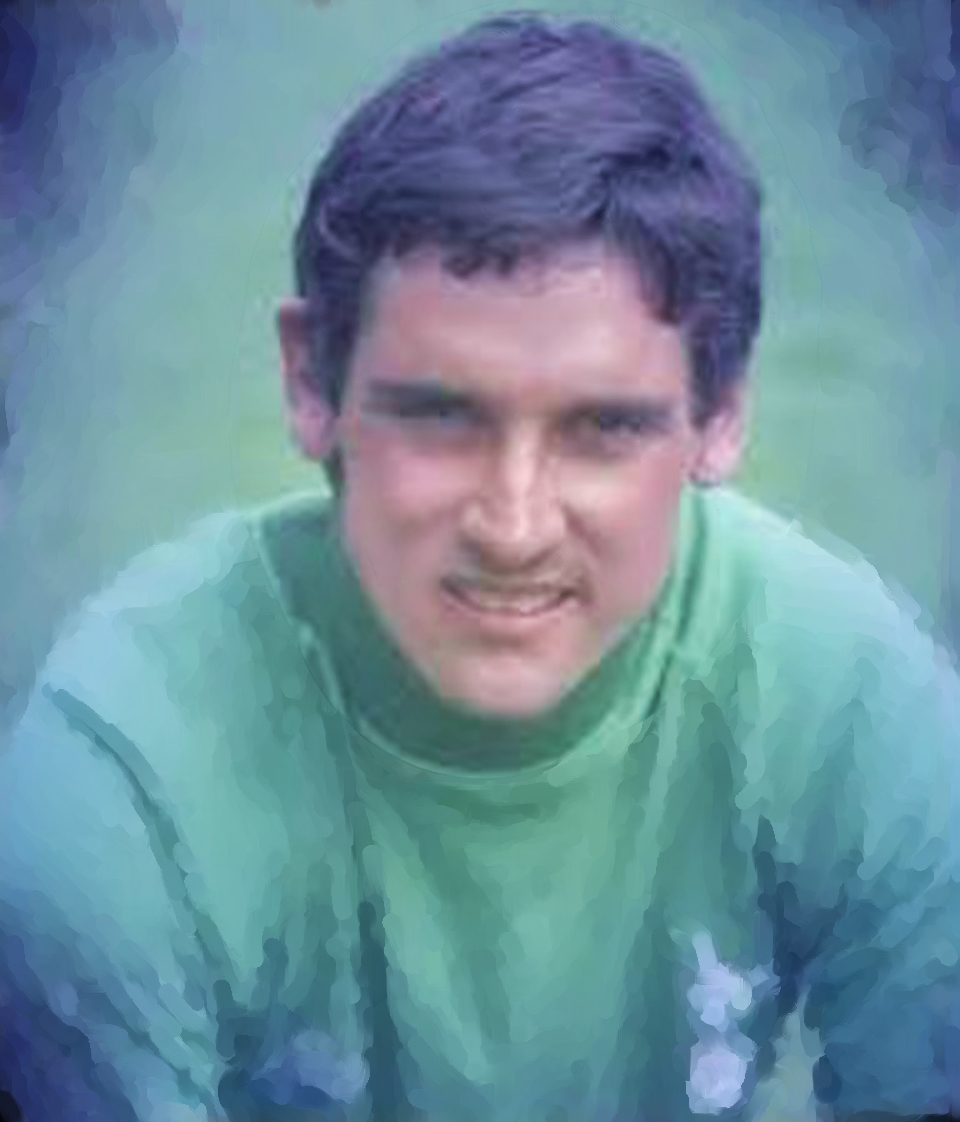
Milija Aleksic
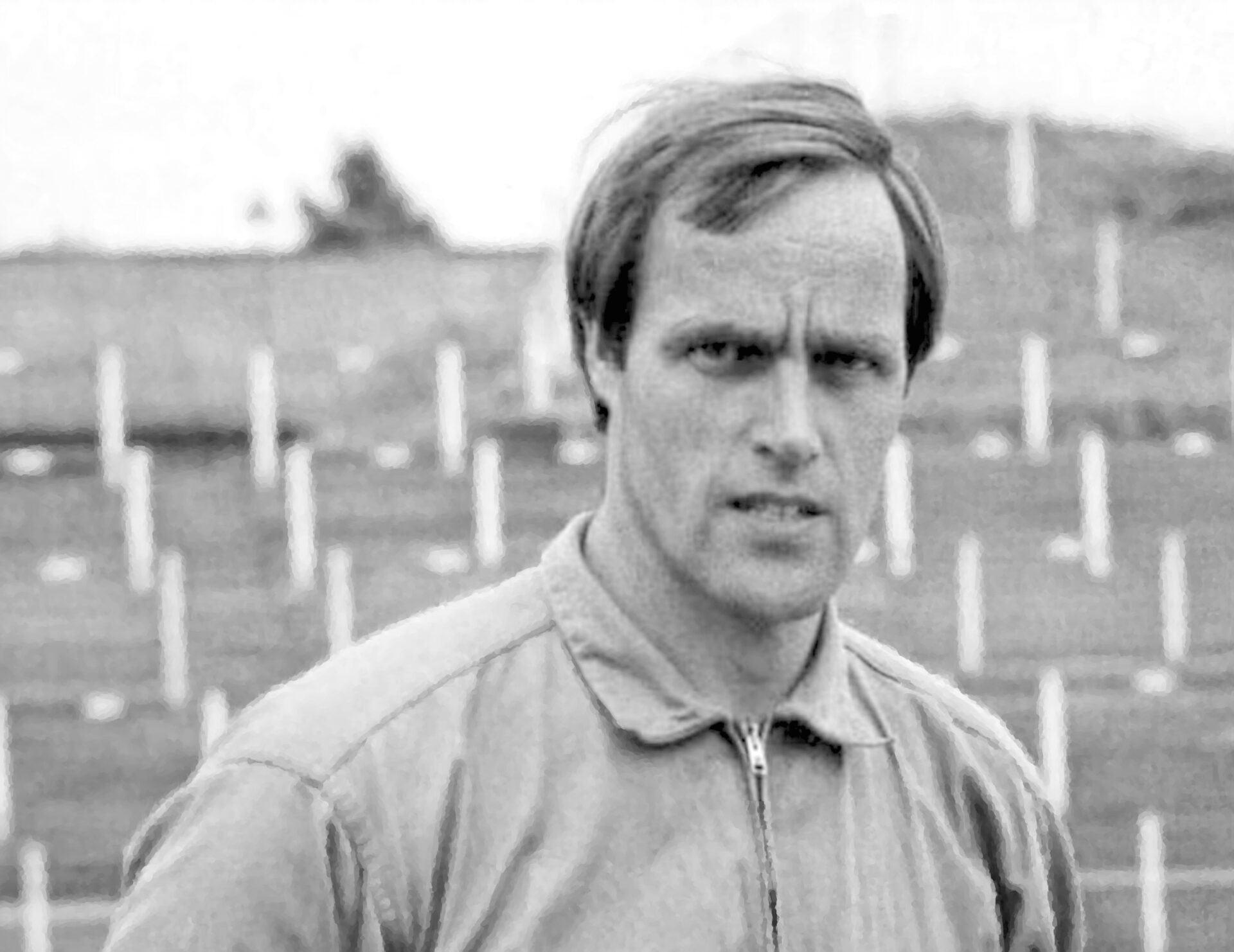
Gordon Lee
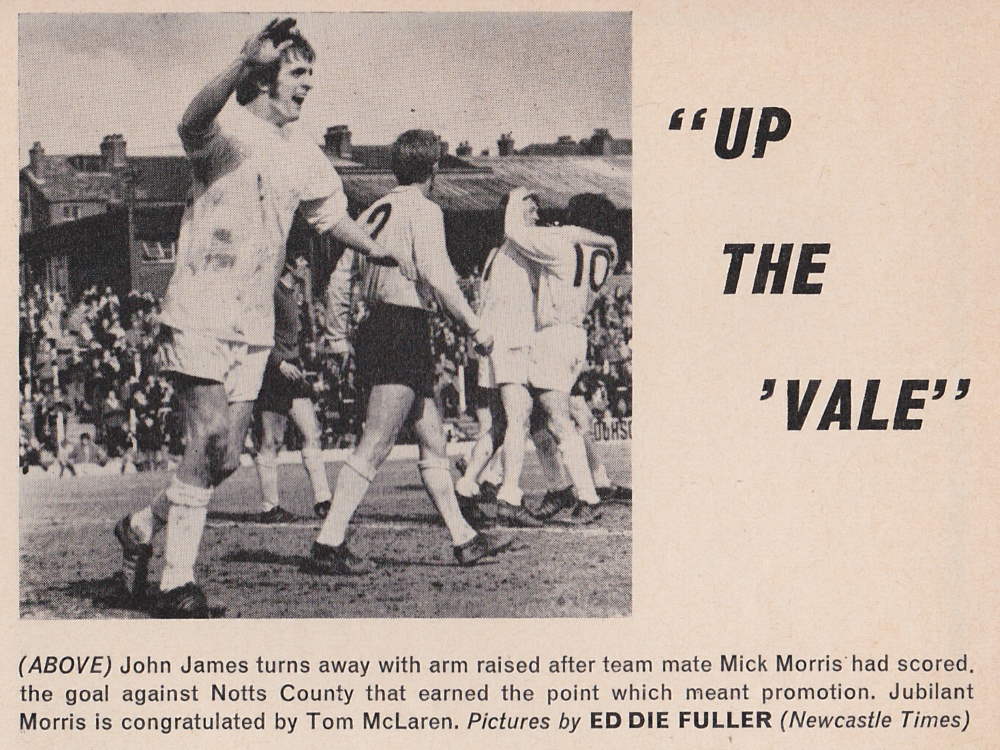
Promotion in 1970
Gordon Lee began his management career with Port Vale in 1968, moving from a coaching role at Shrewsbury Town, and led us to promotion out of the Fourth Division in 1969–70. Switching to Blackburn Rovers in January 1974, he took them to the Third Division title in 1974–75. This won him the top job at Newcastle United, and in 1976, he led Newcastle to the League Cup final. He took up the reins at Everton in January 1977 and also took them to the League Cup final later in the year. After losing his job at Everton in May 1981, he was appointed manager of Preston North End, before he departed two years later. In 1985, he moved to Iceland to manage KR Reykjavik before he left the club in 1987. Returning to England behind the scenes at Leicester City, he spent a brief period in 1991 as the club’s caretaker manager.
Lee started his managerial career with Port Vale in May 1968. Succeeding Stanley Matthews, he was an archetypal modern manager; track-suited and with a focus on coaching. Devising an individual coaching plan for each player, he built a side around fitness and teamwork. Veteran defender Roy Sproson later said that “Lee was a great person to work for. He was as straight as a die but, if anything, rather cautious and predictable. If he took over a team in North Vietnam, I would know the way they play.”
His first task as manager was to persuade Sproson to continue playing. The club were a poor Fourth Division outfit when he took charge, and to boost the squad he signed ‘tenacious’ center-half John King and Wales international winger Graham Williams, both from Tranmere Rovers, as well as Walsall’s teenage Bobby Gough. With goalkeeper Stuart Sharratt out injured, he brought in Geoff Hickson on loan from Crewe Alexandra.
Despite inconsistent results, fans threw their support behind Lee after witnessing consistent improvements in the Vale’s performances. He solved his goalkeeping problems by signing Keith Ball from Walsall for ‘a small fee’, and his side put together a five-game unbeaten run in November. He adopted a more ‘hit and run’ style in March, and his side ended the campaign in 13th-place with 46 points from their 46 games, scoring 46 and conceding 46 goals.
In preparation for the 1969–70 campaign he released Mick Cullerton, Mick Mahon, Jimmy Goodfellow, Graham Williams, and Milija Aleksic; whilst top-scorer Roy Chapman rejected a new contract and signed for Chester City. Despite this, the club’s dire finances meant that he was only able to bring in three new attackers on free transfers: Ken Wookey (Newport County); Stuart Shaw (Southport); and Eric Magee (Oldham Athletic). Vale started the season with a club-record unbeaten 18 matches, and Lee began playing midfielder Tommy McLaren on a regular basis.
Vale’s financial situation was highlighted by the fact that they could not afford the £500 registration fee for Ian Buxton following the player’s departure from Notts County. The “Valiants” were knocked off the top of the table following a bout of injuries, and Lee was forced to sign wing-half Tony Lacey on loan from Stoke City, and also bought Bill Summerscales from Leek Town for £400. As promotion was secured with a nine-game unbeaten run, Lee signed Lacey permanently for £2,500 and also brought Sammy Morgan in on a free transfer from Gorleston.
Speaking of their third-place finish, Lee said that “no team could have deserved reward as much for their hard work and strength of character”.
Brian Clough
During the promotion season we travelled to Hartlepool on Easter Saturday in March 1970 and won the game 2-0 thanks to goals from Mick Morris and Ian Buxton.
By this time I was based in the North East, but was returning to the Potteries to spend Easter with my parents and also attend the vital home game against Wrexham the following week. I booked a seat on the supporter’s bus and told them I would only be using it on the return journey. I arrived in Hartlepool early and went into the bar of the Grand Hotel for a drink and a meal.
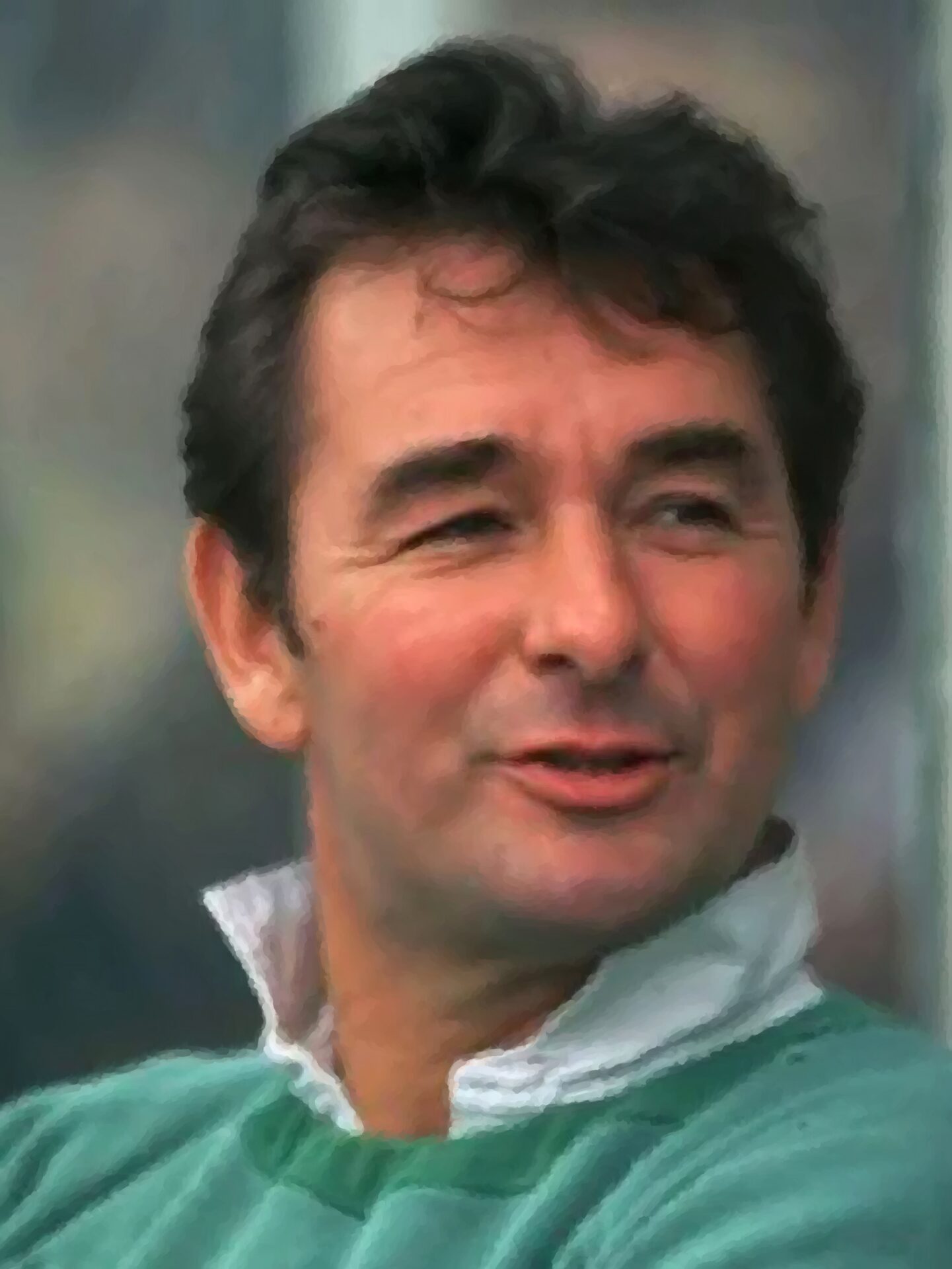
The only other people in the bar were Brian Clough, then manager of Derby County, and two of his Directors. Derby had beaten Manchester City 1-0 at Main Road on the Good Friday and were due to play Sunderland at Roker Park in the afternoon. They and the players had been celebrating, because the win qualified them for European football the following season.
I found Brian nothing like his popular image. He was quietly spoken, consumed only soft drinks and was extremely modest about his achievements – a real gentleman. One of the topics of conversation was Mick Cullerton, who at the time was playing for Derby reserves and banging in goals left, right and centre. Brian had high hopes that Mick would make the grade at the very top level of English football.
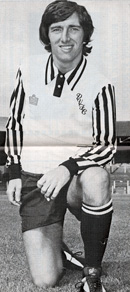
Unfortunately these hopes were not realised, although I believe Mick scored over 40 goals for Derby reserves in just two seasons. A former Scotland U16s player, Mick first joined the Vale in October 1965 aged 17 as part of Manager Stanley Matthews plan to recruit young players from North of the border.
He made his Vale debut in January 1966, playing in a forward line comprising 5 teenagers including Roddy Georgeson and Alex Donald. By November that year he had become a regular first team player and finished the 66/67 season as top scorer with 12 goals.
Mick Cullerton
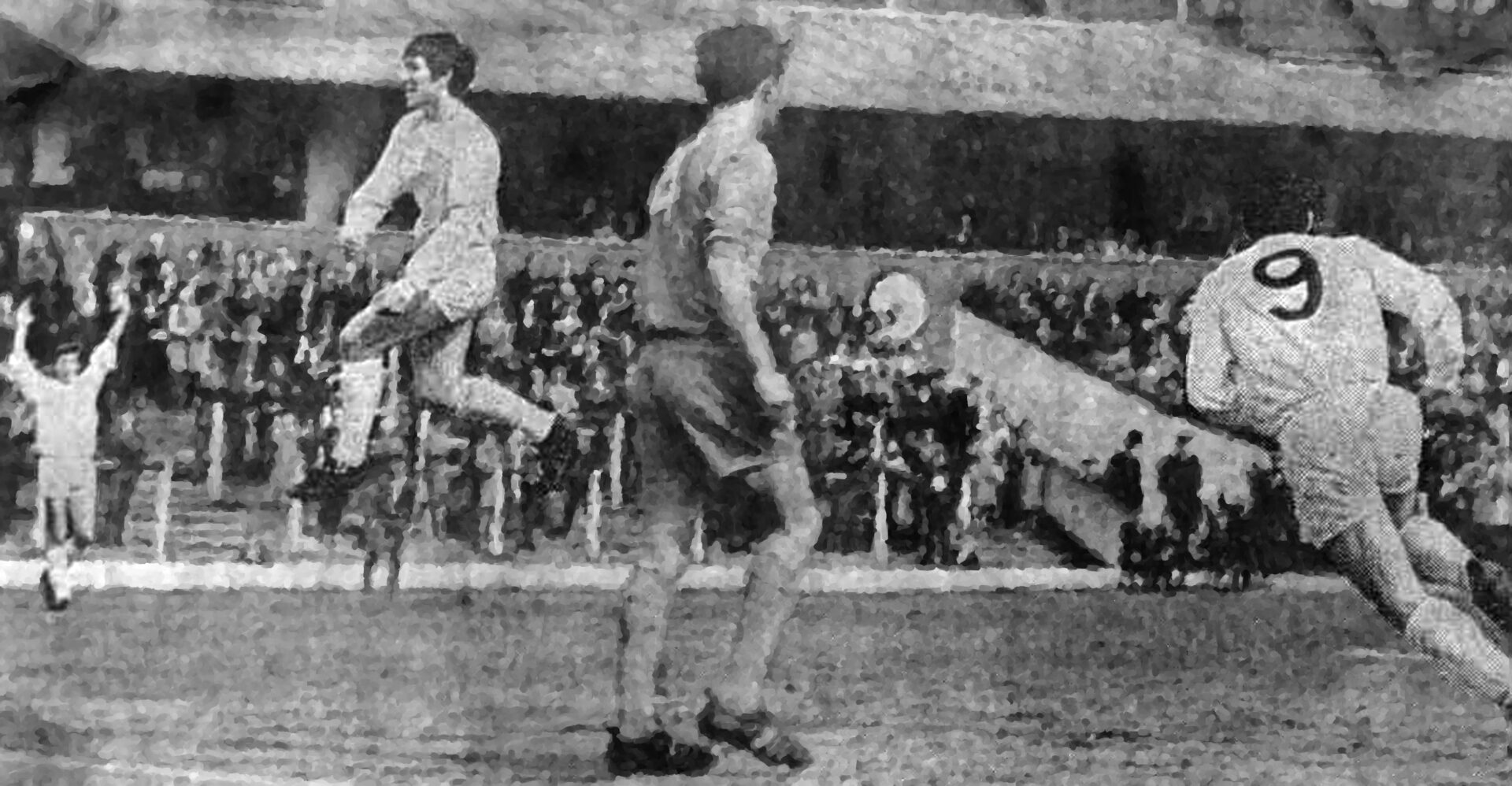
Mick signed for Brian Clough’s Derby County in 1969 and despite scoring many goals for the reserves he never managed to make a first team appearance for the Rams. There followed a very successful spell with Stafford Rangers before Mick re-joined the Vale in 1975.
He immediately made his mark and was top scorer for the 75/76 season with 21 goals. However after a spate of injuries Mick left the club in 1978 and returned to Stafford Rangers. From 1982-1985 Mick was Commercial Manager at the Vale and he subsequently worked for BBC Radio Stoke as a co-commentator/pundit for Vale games for a number of years.
Mick Cullerton scores a hat-trick against Swansea
Following the win at Hartlepool, I watched the Wrexham game which the Vale won 1-0 with a John James penalty. This was poetic justice as John had been sent off, quite undeservedly, in the earlier fixture at the Racecourse. Port Vale Football Club historian Phil Sherwin paid tribute to former Vale striker John “Jesse” James following news of his passing in 2021.
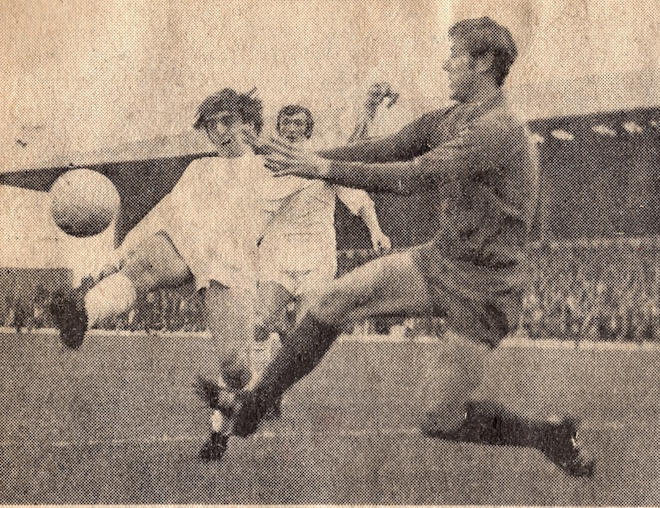
John James
It was sad to hear about the death of John James, my first real football hero. I started going to games in 1968 and ‘Jesse’ was the star of the 1969/70 Fourth Division promotion winning team. Top scorers always grab the headlines and his long hair made him stand out even more. He always gave everything as well and he had a great rapport with the fans, the Tom Pope of his day.
Born in Stone in October 1948, he graduated through the club’s academy originally as a defender/half back and he made his debut in April 1966, against Newport County, with Vale winning 3-0. The following season he was part of the team that reached the quarter finals of the FA Youth Cup, and then became a regular in the first team.
Manager Gordon Lee had the foresight to turn him into a striker in 1969 and that paid off when he was a cult hero in the 1969/70 promotion season, finishing as top scorer with 17 goals. One of those was a last minute winner at Old Trafford, but not against Man U, against Wigan in an FA Cup second replay.
In 1970/71 ‘Jesse’ as he was known, scored another 15 goals. Unfortunately injuries hampered his career after that with the Vale and he was sold to Chester for £5,000 in February 1973 after scoring 44 goals in 229 appearances for the Vale. He had success there, helping them to promotion as well as a place in the semi-finals of the League Cup.
He finished his league career with Tranmere Rovers, playing for them at Vale Park in 1977 when he received a rousing reception. He was cheered every time he touched the ball as fans chanted his name throughout and even the Tranmere fans must have been mystified. God knows what would have happened had he have scored! I’ve never seen a former player get such a reception either before or since. He also had a loan spell with Chicago Sting.
At the end of his playing career he went to live in Torquay where he ran a newsagents. He passed away earlier this week after suffering from cancer and Alzheimer’s disease surrounded by his family…
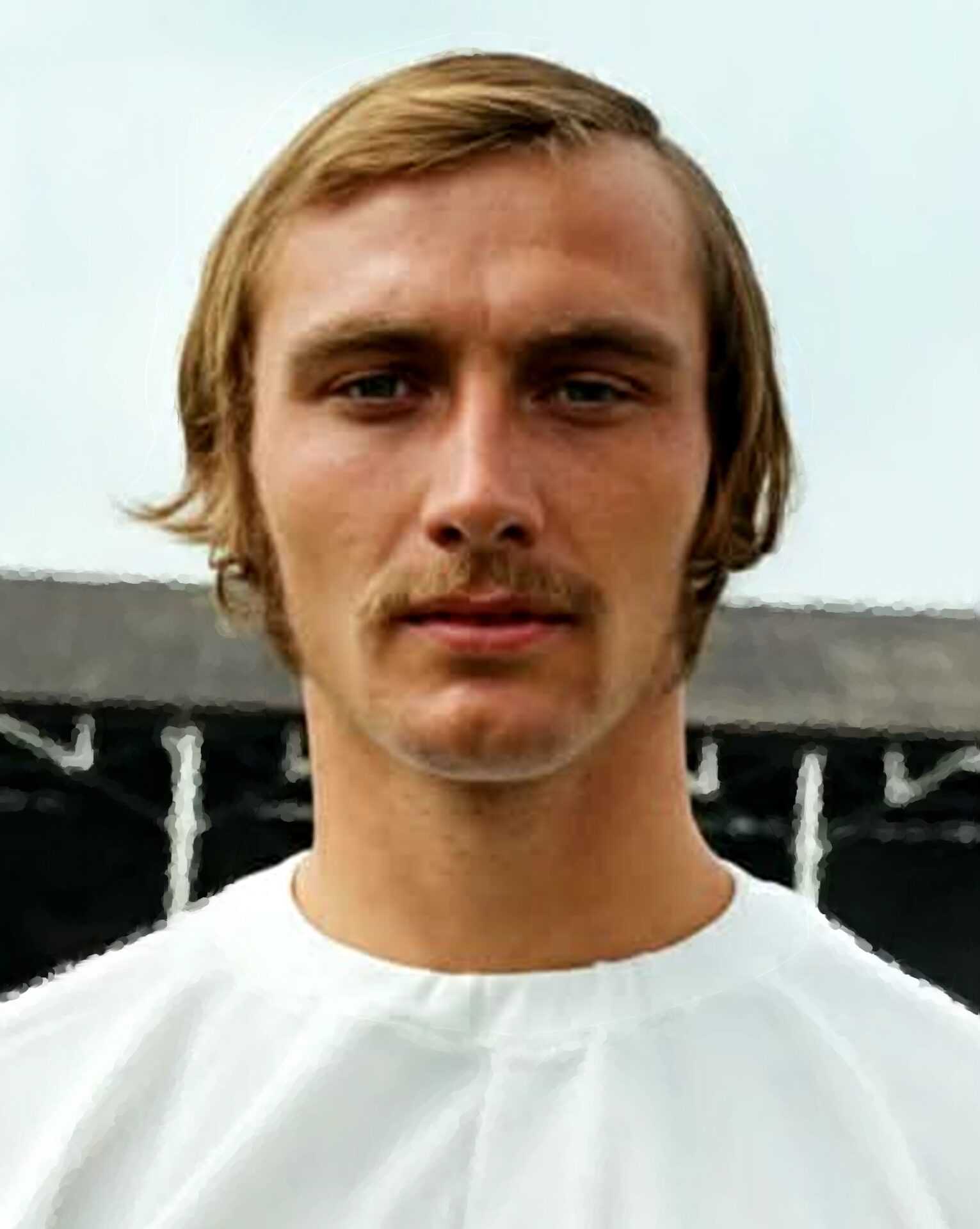
Brian Horton
Preparing for life in the Third Division, Lee released Ken Wookey, Stuart Shaw, Eric Magee, Stuart Chapman, and Gordon Logan. In their place he signed centre-half Roy Cross from Walsall, inside-forward Brian Horton from Hednesford Town, and full-back Mick Hopkinson from Mansfield Town. He steadied the ship in the midst of infighting in the boardroom, and the team went on a four-game winning streak in October that included a 2–0 win over fallen-giants Aston Villa.
In January, he signed John Brodie from Northern Premier League side Bradford Park Avenue for £250, and noted that his team’s performances were not helped by the ‘boo boys’ at Vale Park. Some things never change! Safety was assured with a 17th-place finish, three points above relegated Reading. For the 1971–72 campaign he released Mick Hopkinson, John Green, and John King; and signed left-half John Flowers from Doncaster Rovers and full-back Tony Loska from Shrewsbury Town for ‘a small fee’.
Pre-season did not run smoothly, however, as Lee fell out with Sammy Morgan and had to contend with injuries to Roy Sproson, Stuart Sharratt, and top-scorer John James. Low attendances forced him to sell Clint Boulton to Torquay United for £10,000. In December, he brought Ray Harford from Mansfield Town for a £5,000 fee, as well as Keith Lindsey from Southend United for ‘a small fee’.
War in the boardroom continued, whilst only 2,809 turned up to see a 1–0 home win over Mansfield Town on 4 March. On 8 May, Sproson made his farewell competitive appearance for the club in front of only 2,743 supporters, and Lee angrily declared that “the attendance was nothing short of a disgrace to mark the end of a legend”. Safety was assured with a 15th-place finish, five points above relegated Mansfield Town. He did not retain the services of four players for the 1972–73 season: Mick Morris, Keith Ball, Stuart Sharratt, and John Flowers.
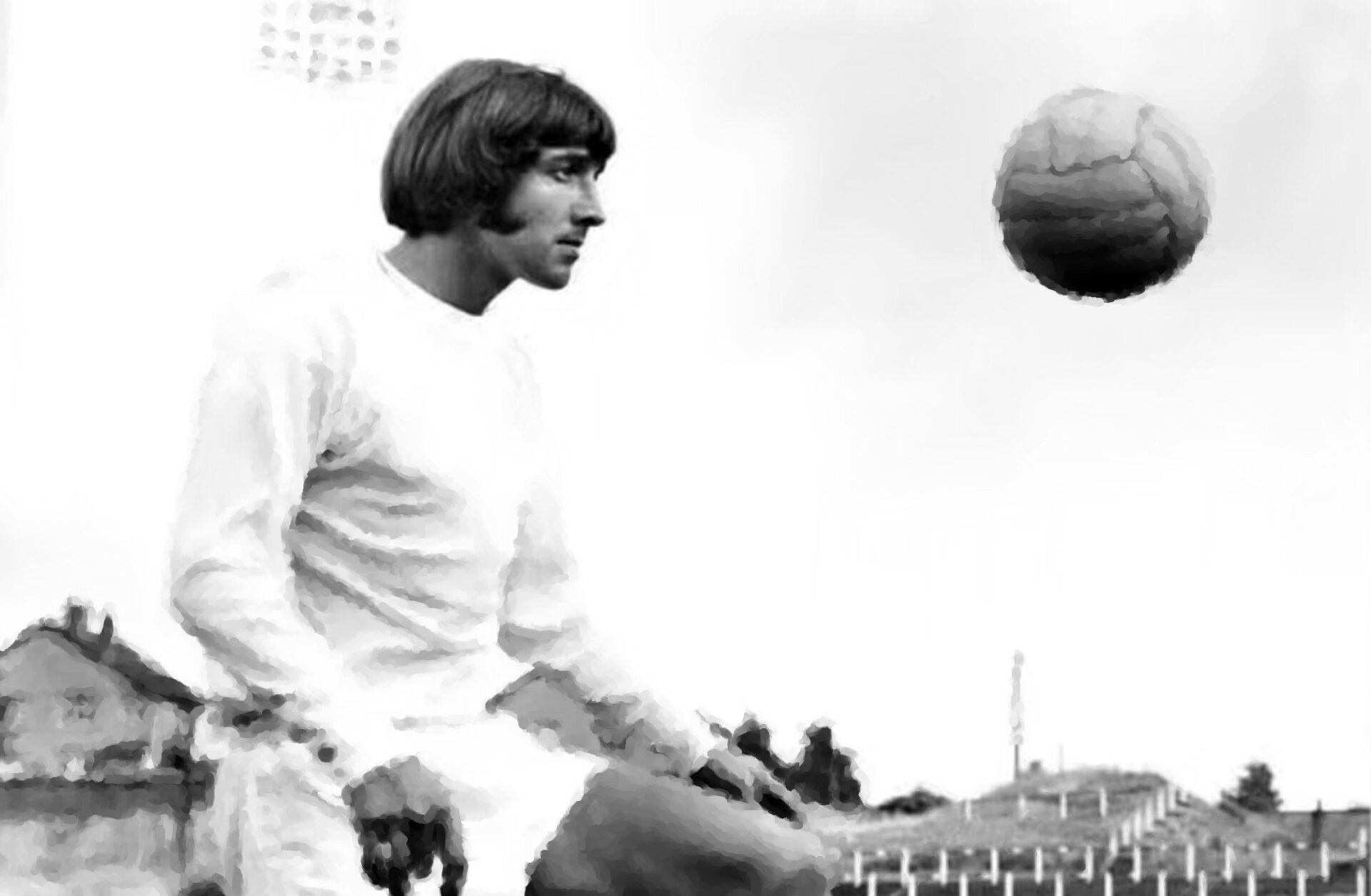
Clinton Boulton
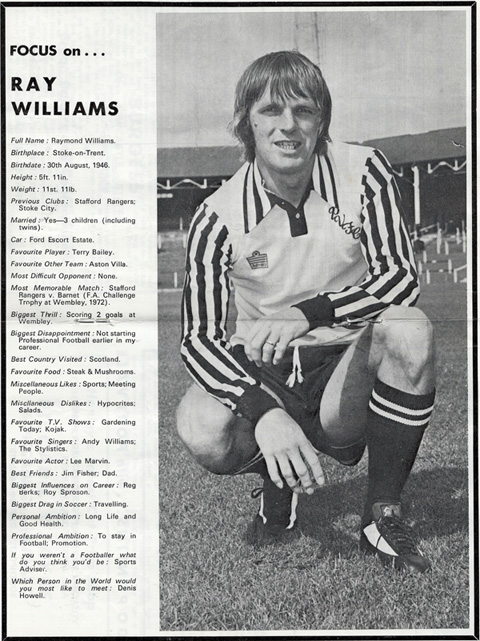
Ray Williams
Lee made some key signings however, bringing in Stafford Rangers goalscorer Ray Williams for £3,000, midfielder Freddie Goodwin (Southport), goalkeeper Alan Boswell (Bolton Wanderers), young midfielder Colin Tartt, and trialist goalkeeper Reg Edwards (Nuneaton Borough).
Six wins were gained from the opening eight league games, though low attendances caused Lee to remark that “the people here are not genuinely interested in league football”. Offered the management position at Shrewsbury Town, he rejected the offer as he believed the club “lacked potential” and that he had a “feeling of loyalty towards the Vale players”. In mid-season he sold John James to Chester for £5,000, Ray Harford to Colchester United for £1,750, and Keith Lindsey to Gillingham for £750, whilst spending £2,250 to bring ‘pacey’ striker John Woodward in from Walsall.
Lee’s team was criticized for foul play, particularly on 10 March, when Blackburn Rovers manager Ken Furphy branded them “a brutal and physical side”. In the FA Cup, West Ham United manager Ron Greenwood claimed that the Vale players attempted “the most blatant calculated intimidation I have ever seen anywhere in the world”.
Vale finished in sixth spot with 53 points, four short of promoted Notts County. The tally of 69 goals conceded was higher than all but the bottom two clubs. Lee released Freddie Goodwin and sold Sammy Morgan to Aston Villa for £22,222. He built for the 1973–74 campaign by drafting in tall young players David Harris and John Ridley from the youth set-up, as well as versatile Keith Chadwick from Crewe Alexandra. After a spate of injuries, he signed Keith Leonard on loan from Aston Villa, and bought left-back Neil Griffiths from Chester for a £5,000 fee.
Seemingly taking the club as far as he could, he left Burslem in January 1974 for Blackburn Rovers. Vale finished the campaign one place and seven points above the relegation zone under the management of Roy Sproson.
Read all the episodes
- 75 years a Vale fan: part one of Stuart Dean’s Port Vale memoirs
- 75 years a Vale fan: part two of Stuart Dean’s Port Vale memoirs
- 75 years a Vale fan: part three of Stuart Dean’s Port Vale memoirs
- 75 years a Vale fan: part four of Stuart Dean’s Port Vale memoirs
- 75 years a Vale fan: part five of Stuart Dean’s Port Vale memoirs
- 75 years a Vale fan: part six of Stuart Dean’s Port Vale memoirs
Share your thoughts on these memories and post a comment below

Great summary. This period covers the whole of my formative years growing up as a Vale fan. This is the first time I have read critical comment of Freddie Steele’s management, but it is justified. His record in the transfer market, blowing huge sums by Vale standards almost destroyed us. Without doubt Norman Low was very shabbily treatment. The Matthews/Mudie era was entirely forgettable.
I never quite forgave Freddie Steele for his ridiculous dealings in the transfer market by getting rid of Bert Llewellyn, Arthur Longbottom and Terry Harkin. That kissed goodbye to at least 50 goals a season. His signing of Billy Bingham sidelined John Rowland, who later came into his own, he was another 20 goal a season striker that Freddie Steele pretty much ignored.
It was only the introduction of Gordon Lee that saw us regain some respect. Unfortunately gates dropped alarmingly. With some backing for Gordon for transfers he would certainly have taken us to the second division and sowed the seeds perhaps to avoid the dreadful late 70s early 80s.
Absolutely brilliant Stuart. Great memories. I started 1967 and remember so much from your memoirs. Please keep them coming.
Surprised how difficult times were under Gordon Lee. To me as a young teenager all was good. Great away followings, top of league
with a promotion and some good players, many local lads too.
Top many for me was Jamo but there were many favourites during Gordon Lees time too.
Ball,Boulton,Wilson,King,Sproson,Green seemed to play every game without fail.
Ray Williams then arrived, who had been a trainee teacher, i think , at my high school, Bradwell.Wow that was amazing for me.
Great memories Staurt. Thanks very much
Really excellent, Stuart, thanks for all your efforts.
It’s very well done, Stuart does mention “Vale turned out a complete team of teenagers at Bradford City” if my memory serves me right, it was just the forward line and not the complete team. Stuart also fails to point out how Matthews touted the Vale team all over the country almost every free midweek to play exhibition games against none league teams, whilst charging a fee for his own appearance.
Ian, you remember correctly Roddy Georgeson, Mick Cullerton, Alex Donald, all 17, Paul Ogden,19, Paul Bannister 18.
Another great article Stuart. I really enjoyed remembering the players that gave everything for the team. Too many to mention all of them but John James, Bert Llewellyn and Tommy Mclaren were 3 of my favourites All gave 100%. Tommy was Vale through and through and was devastated when he was released. Ii will. always remember is all action displays. Great memories, thanks Stuart.