





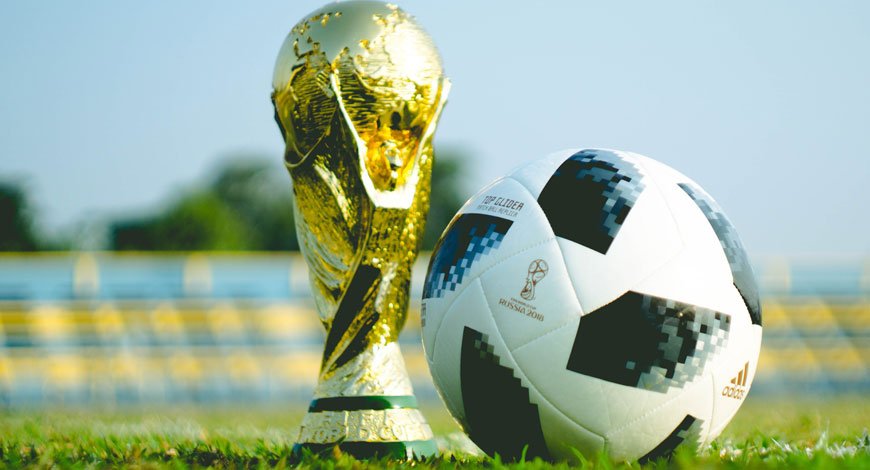
The 2026 World Cup will not feel like a normal tournament with a few extra teams added on. It will be the first men’s World Cup with 48 nations, 104 matches and three host countries, spread across Canada, Mexico and the United States. That alone changes the rhythm of the competition. There will be more fixtures, more travel, more tactical variety and more room for nations outside the usual elite to shape the story.
For fans, it also means more markets to follow, more group-stage permutations and more debate around form, injuries and momentum. Anyone using a new sports betting site during the tournament will need to look beyond the obvious names, because the expanded format could make the early rounds harder to read than previous World Cups.
A Bigger World Cup Means More Group Stage Drama
The 2026 tournament moves away from the familiar 32-team structure. Instead of eight groups of four, there will be 12 groups of four. The top two teams from each group will progress, along with the eight best third-placed sides.
That last detail matters. It means a team can lose a match, recover quickly and still reach the knockout stage. It also means goal difference, discipline, late goals and even the timing of fixtures could become important. A 1-0 defeat might not be fatal. A heavy loss could be.
This format should keep more nations interested for longer, but it may also create strange incentives. Some teams will know that four points may be enough. Others may have to chase goals in their final group match. Managers will need to balance risk carefully, especially with a Round of 32 waiting immediately after the groups.
The Host Nations Have Different Pressures
Canada, Mexico and the United States will all carry different expectations.
Mexico will have emotion behind them. Their home matches will be intense, especially with the Estadio Azteca involved again. Mexico have long been reliable at reaching the knockout stage, but the question is whether home advantage can push them deeper than usual.
The United States will be judged differently. This is not just about hosting. It is about proving that their current generation can handle expectation. Players based in Europe have raised standards, but World Cup pressure at home is a different test. The US will be expected to play with energy, press well and make the most of familiar conditions.
Canada arrive with less World Cup history but clear progress in recent years. Their challenge is turning pace, athleticism and individual quality into tournament control. At a World Cup this large, one strong group-stage result could change the feeling around their entire campaign.
Travel Could Become a Hidden Factor
This World Cup will cover huge distances. Teams may have to move between different climates, time zones and stadium conditions. That can affect preparation more than many people realise.
A side playing in Mexico City, then travelling to a hotter US venue, then moving again to Canada will face a very different physical challenge from a team with a more settled route. Recovery days, squad depth and rotation will matter.
This could favour countries with deeper benches. The best teams will not only need a strong starting XI. They will need full squads capable of handling travel, heat, pressure and short turnarounds. Players who can come off the bench and change a game may become just as valuable as headline starters.
The Expanded Field Gives Outsiders More Space
A 48-team World Cup naturally gives more countries the chance to appear on the biggest stage. That should make the tournament more varied, but it also creates opportunity for surprise runs.
Recent international tournaments have shown that well-organised sides can frustrate bigger names. A compact defence, strong set-pieces and a quick forward can be enough to turn a group match. At World Cup level, where pressure is extreme, favourites do not always settle quickly.
African and Asian teams in particular could benefit from the expanded format. More places mean more representation, but also more chances for teams to grow into the tournament. The best underdog stories often begin with a draw that looks minor at the time, then becomes crucial after the final group table is settled.
Knockout Football Starts Earlier
The Round of 32 is one of the biggest changes. In previous World Cups, reaching the last 16 already felt like a serious achievement. In 2026, there will be an extra knockout round before that point.
That changes the path to the trophy. A champion may need to survive more high-pressure matches. One poor performance could end a campaign earlier than expected. Penalties, extra time and squad management may become bigger talking points.
It may also reduce the margin for slow starters. Some major nations often build through tournaments, improving after an uncertain group stage. In 2026, that approach could be dangerous. Once the knockouts begin, there is no time to find rhythm.
Star Players Will Still Define the Biggest Moments
For all the talk about format, travel and tactics, the World Cup usually turns on individual moments. A forward taking one chance. A goalkeeper saving a penalty. A midfielder controlling a match when everyone else looks rushed.
Kylian Mbappe will be central to France’s hopes again. Argentina will be watched closely after their 2022 triumph. England, Brazil, Spain, Portugal and Germany will all carry familiar pressure, but none will be able to rely on reputation alone.
The expanded tournament may also introduce new stars to a wider audience. A player from a smaller nation can change his career with one standout performance. Clubs will be watching. So will millions of fans seeing him properly for the first time.
Why 2026 Feels Hard to Predict
The 2026 World Cup has too many new variables to feel predictable. A bigger field changes the early rounds. Three host countries change the logistics. More knockout football increases the chance of shocks. Squad depth, travel planning and mental strength could matter as much as pure talent.
That does not mean the winner will come from nowhere. World Cups are still usually won by elite teams with elite players. But the route to the final may be messier than usual.
For supporters, that should make the tournament better. More nations will believe they can make an impact. More matches will carry meaning. More players will have a chance to become part of World Cup history.
The 2026 World Cup will be bigger in size, but its real test is whether it feels bigger in drama. With the format changing, the hosts under pressure and the knockouts starting earlier, it has every chance of doing exactly that.




Comments are closed.