





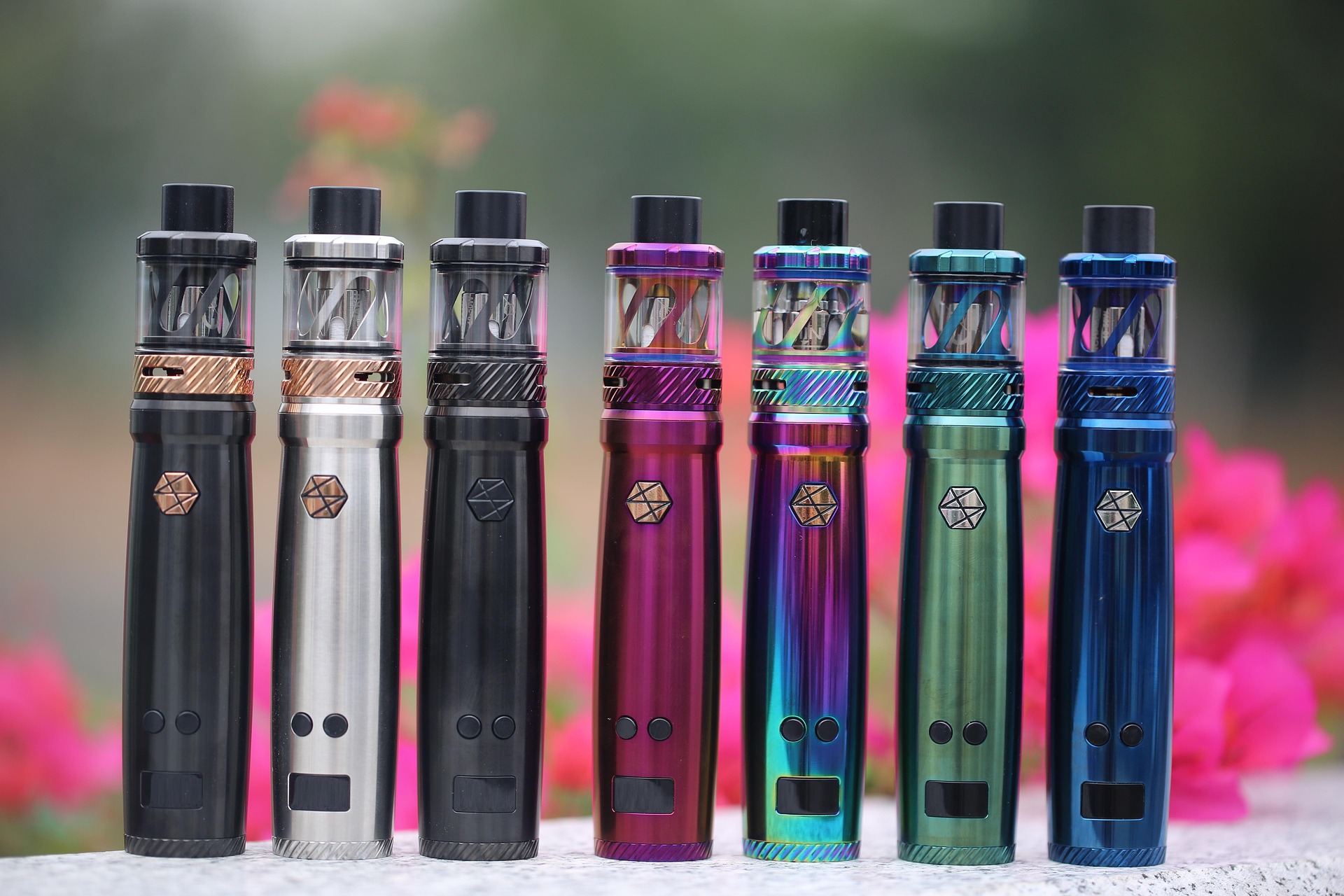
Early in May, the United States Food and Drug Administration cleared four fruit-flavored vape products for sale, the first time fruit flavors have ever been formally approved by the agency. Two days later, it announced it would no longer pursue any of the unauthorized products it had spent five years failing to remove from American shelves.
Neither decision was preceded by a scientific review, which is entirely forgivable, given that the original 2020 ban wasn’t either.
The American regulator’s position is that fruit-flavored nicotine was a clear and present danger to the nation’s children until approximately the second week of May 2026, at which point it became, apparently in hindsight, largely fine.
Anyone following this will note that the agency did not apologize, but then, regulators rarely do. Apologizing, after all, would imply that the previous five years of confiscations, raids, and small-business closures had been a mistake – and that the British equivalent, last year’s ban on disposables, may yet turn out to be one too.
The Wrong Drug
Whenever a government decides to crack down on a legal substance, a useful question arises: what do the people doing the cracking down drink at lunch? The answer, in both Washington and Westminster, is consistent. They drink wine. Sometimes a lot of it. Sometimes by the bucketload, one would be forgiven for presuming.
To that end, we might further presume that the 6 pm receptions at which vape policy gets sketched out on the back of stained cocktail napkins are not, on the available evidence, dry affairs.
It would be safe to say that nobody has ever driven a pickup truck through a Taco Bell window because they had vaped too much watermelon ice. Nor has anyone headbutted a stranger in a Hooters over a hotly contested round of mango pods. The ERs and A&E departments of both nations are full on a Friday night, but the cause is rarely a man who has gone three sleeves deep on a disposable. Nicotine alters mood, while alcohol alters judgment, which is the variable that sometimes ends with someone in handcuffs. Or in a wheelchair. Or both. Often both, thinking about it.
None of which is to suggest that vape policy is bad because the people writing it are drunk, of course. It is bad because the people writing it have never been in the same room as someone who vapes, which is a much harder problem to solve, and one no quantity of Sancerre will fix.
Inside the Vape Shop
Walk into any modern vape superstore on a Saturday afternoon, and the customer base does not resemble the customer described in the 2024 Tobacco and Vapes consultation. The slick-haired teenager being lured into addiction by colorful packaging is actually a fifty-three-year-old man named Dave who has been smoking since the ‘70s and would now quite like to stop.
You might find Dave at the counter buying strawberry. Behind him is Pauline, a retired nurse, picking up her usual blueberry and a backup bottle of watermelon because she’s going to her sister’s over the weekend, and you don’t want to run out at your sister’s. Behind Pauline is a roofer buying mango, a taxi driver buying menthol, and a man in a suit pretending to be on his lunch break while buying something called Pink Lemonade Crush.
Nobody in this shop is fourteen. Further still, nobody in this shop has ever been fourteen recently.
Ask any of them what they’re vaping, and you will hear roughly forty answers, none of which are tobacco flavor. Ask why they rotate between four or five at a time, and they’ll patiently explain that variety is the point. Cigarettes were a monogamous relationship lasting twenty-odd years. Vaping is a long, sustained, slightly unserious situationship. The novelty is the actual engine – the flavor is the part that makes the rogue Marlboro you bum off a colleague taste, suddenly and gratifyingly, like licking a damp bonfire.
This is not a difficult observation. It requires standing in a shop for an hour, which is apparently more legwork than the entire 2020 FDA consultation managed.
A Sober Assessment
Policy meetings are all too often resolved by people with no firsthand experience of the issue at hand. The vape consultations have been a sustained masterclass in this phenomenon: public health officials who have never smoked, hunched together with special advisers who have never vaped. In the same room, you might find doctors who have done neither and would not, on principle. Around the table, a consensus forms that flavored vapes are predatory. Around that same table, a consensus forms that another bottle of the Sancerre would be most welcome.
The Royal College of Physicians has been telling the British government for nearly a decade that vaping is significantly less harmful than smoking and should be encouraged as a quit aid. The British government has ignored that advice entirely and banned the disposables anyway. Westminster prefers its public health advice the way it prefers its wine – expensive, French, and unrelated to anything the constituents are actually doing.
Back to Washington
America has been running the same trick. The 2020 flavor ban was driven by a moral panic about a single product so successful that it briefly entered the language as a verb. The response was to ban an entire category, which solved the problem of the single product by replacing it with thirty thousand uncategorized imports from Shenzhen labeled as footwear. A triumph. Bravo.
So the FDA has cleared two flavors, but it will probably clear more over time. The pretense that the unauthorized market does not exist has collapsed under its own weight, as it now constitutes more than half of everything sold. The teenagers continue to obtain whatever they want with the ease with which teenagers have always obtained whatever they want, because the only thing standing between a fifteen-year-old and a disposable vape is the patience required to ask a slightly older cousin.
In the meantime, the adults that the policy completely ignored continue to remain ignored. They are the ones who lost the regulated, flavored, taxable off-ramp. In its place, they were handed a tobacco-flavored pod that tastes like the cigarettes they were trying to escape, and a Shenzhen disposable that may contain anything from nicotine to god knows what. Brake fluid, for all we know.
Assuming common sense prevails and the climbdown continues, we should all agree that, either way, vape packaging shouldn’t be designed to appeal to children. Pink Lemonade Crush is absolutely fine. Pink Lemonade Crush sold in a pack featuring a cartoon dog winking at you, is not. The distinction is not difficult to make.




Comments are closed.