





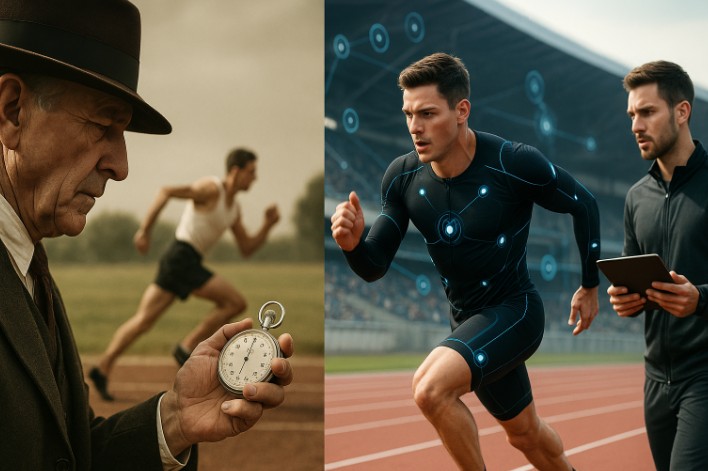
Tracking performance has always been a key part of athletic training. From the earliest days of competitive sports, athletes and coaches have relied on technology to gain an edge. What started with a simple mechanical stopwatch has evolved into a world of smart suits and biometric sensors. As new tools keep merging digital precision with physical performance, users are also drawn to more immersive environments like Crazy Time free play. Let’s take a deep dive into how sports gadgets have changed training, monitoring, and performance analysis over the decades.
From Seconds to Precision: The Era of Early Timing Devices
In the late 19th century, mechanical stopwatches revolutionized how athletes tracked speed and endurance. Before that, timing was mostly guesswork or done with rudimentary tools. The stopwatch brought a new level of accuracy, making time trials and lap tracking much more reliable.
By the 1960s, electronic stopwatches and timing gates became popular in professional sports. These tools offered split-second precision and helped track multiple performance variables. Coaches began analyzing not just how fast an athlete was, but when they peaked during a run or a swim.
Even though these early tools were basic by today’s standards, they marked the beginning of a data-driven approach to sports. This shift laid the groundwork for the more sophisticated tools we use today.
The Digital Boom: Heart Rate Monitors and Pedometers
The 1980s and 1990s saw the rise of personal fitness devices. Chest-strap heart rate monitors became mainstream, especially among runners and cyclists. These gadgets gave athletes real-time feedback on cardiovascular effort, allowing for more targeted training sessions.
At the same time, pedometers grew in popularity for step counting. These small devices clipped to a waistband and gave a rough estimate of daily movement. While simple, they sparked a growing interest in tracking personal fitness beyond the gym.
Popular tools during this era included:
- Polar heart rate monitors
- Casio digital watches with built-in timers
- Basic pedometers from brands like Omron and Yamax
These devices introduced everyday athletes to the idea of self-monitoring, setting the stage for the wearables boom of the 21st century.
Wearables Take Over: GPS, Accelerometers, and Smartwatches
With the 2000s came massive leaps in consumer tech. GPS became affordable and accurate enough for sports applications. Runners and cyclists began using GPS-enabled watches to track pace, distance, elevation, and route maps in real time. Companies like Garmin and Suunto led the charge.
At the same time, motion sensors like accelerometers and gyroscopes were integrated into devices. This opened the door for more detailed activity tracking—from counting strokes in swimming to measuring jump height in basketball.
Key features that became standard:
- GPS route tracking
- Step and movement analysis
- Training load and recovery insights
- Mobile app integration
Smartwatches like the Apple Watch and Samsung Galaxy Watch added even more. With smartphone syncing and app ecosystems, athletes could track, analyze, and share their data easily.
Going Pro: High-Tech Tools in Elite Sports
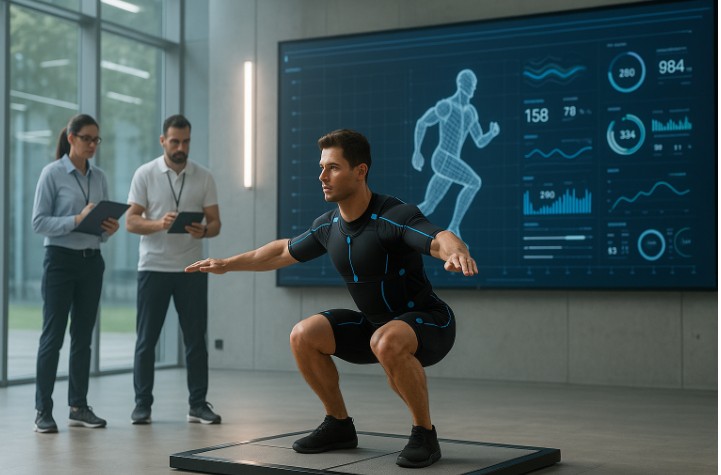
Elite athletes use tech that’s a step beyond consumer wearables. High-end GPS vests track player movements on the field down to centimeters. Motion-capture suits analyze biomechanics in fine detail. Some even use force plates to measure ground contact time and explosive power.
These tools are used in training centers, labs, and professional teams across the world. They help identify weaknesses, prevent injuries, and fine-tune performance.
Top gadgets used by professionals include:
- Catapult GPS trackers for team sports
- Zephyr BioHarness for full-body monitoring
- Vicon motion capture systems
- Force plates from companies like VALD Performance
The data gathered isn’t just for athletes. Coaches, physiotherapists, and sports scientists use it to design smarter training and recovery plans.
Full Integration: Smart Clothing and Biometric Suits
The latest frontier is smart clothing—apparel with sensors woven directly into the fabric. These suits track posture, muscle activation, breathing rate, and more. Unlike wrist-worn devices, smart suits give a fuller picture of body mechanics during movement.
Brands like Hexoskin, Athos, and Komodo Technologies are leading the charge. These suits are especially useful in sports where form and movement efficiency matter most, like gymnastics, martial arts, and sprinting.
Though still expensive, these suits are becoming more common in high-performance environments. Their ability to combine comfort with deep analytics may well redefine how we train.
Conclusion: From Simple to Smart
In just over a century, sports gadgets have gone from simple stopwatches to AI-enhanced suits. Each wave of innovation has brought athletes closer to understanding their own limits and potential. Whether you’re a weekend warrior or a professional, there’s now a gadget to guide, track, and optimize nearly every aspect of performance.
And while these tools are powerful, it’s how we use the data that really counts. Technology may be evolving fast, but it’s still the human element that brings sports to life.



Add your first comment to this post