





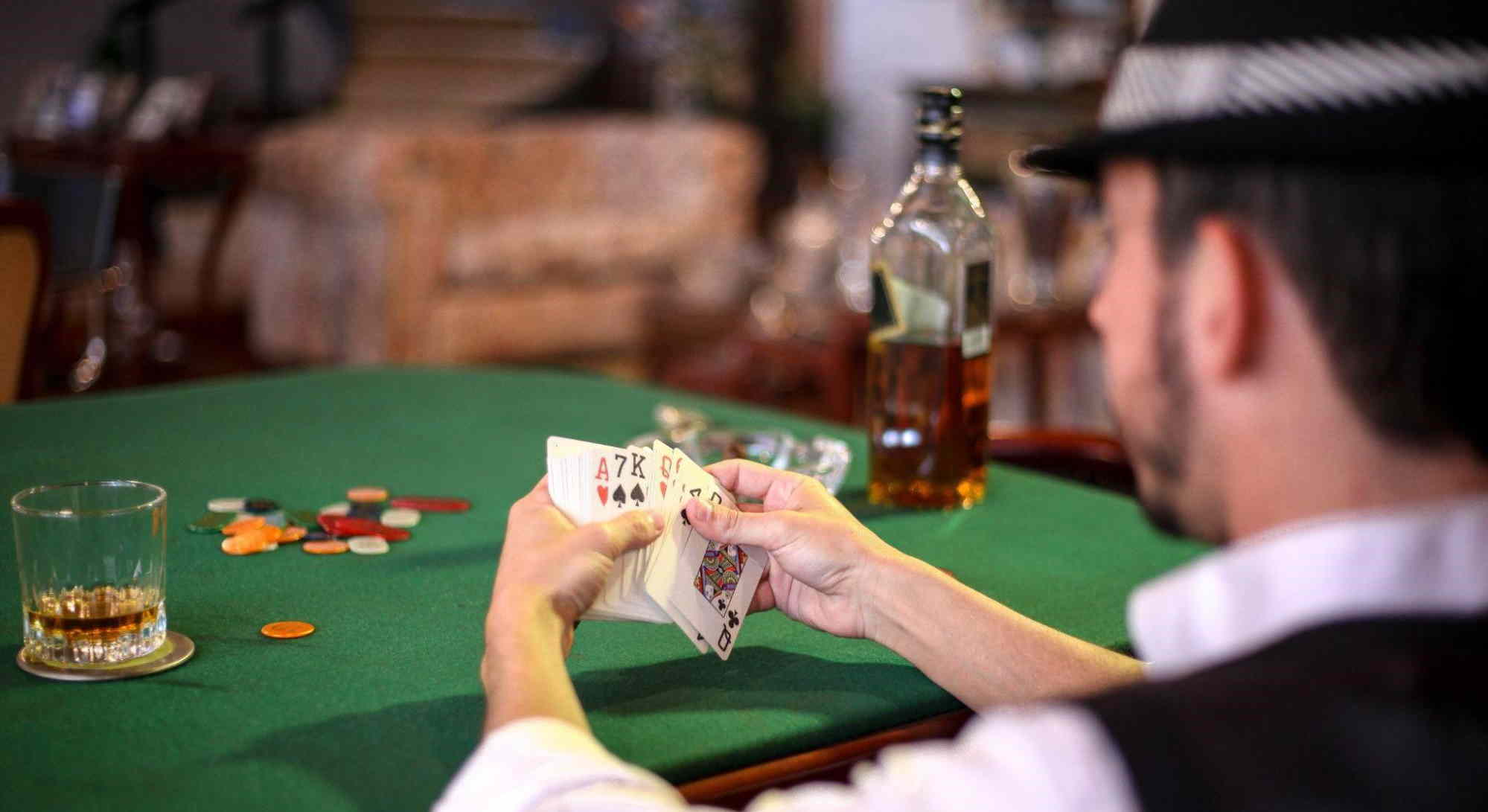
Even if you have never heard of the gambler’s fallacy, you have surely heard about gamblers struggling with this issue. It often starts with casual reading of casino site reviews but may lead to significant money losses and frustration, turning fun into disappointment. This ultimate guide to the gambler’s fallacy will help you identify the issue, resist and solve it.
What is gamblers’ fallacy?
APA Dictionary of Psychology defines it as ‘a failure to recognize the independence of chance events, leading to the mistaken belief that one can predict the outcome of an event’.
Here are examples of such beliefs:
- Coin toss: the more often the coin comes up heads, the more likely it will come up tails in the next toss;
- Roulette: hitting a black means next time a black is less likely;
- Blackjack: after losing consecutive hands, you are sure to get a blackjack;
- Craps: after multiple rolls that lose, a certain number is ‘due’.
- Slots: there are ‘hot’ and ‘cold’ streaks.
Online casino probability explained
Many gambling enthusiasts claim that the probability theory can help predict the outcome of a spin or a deal based on previous wins or losses. In reality, every single deal, be it slots, craps, blackjack, roulette or another game of chance is primarily based on random outcomes. Besides, every game is made to give the casino the so-called ‘house advantage’, a mathematical certainty which defines casino winnings depending on how much a player wagers.
For instance, poker–offered by multiple online casino platforms like Betonred– has a reputation of a game where a player’s skill can increase a chance of winning. However, even poker masters cannot predict how the game will pan out.
What makes gamblers’ fallacy so common among online casino customers?
If the gambler’s fallacy is misleading, why do so many players have this issue? One of the reasons is just human nature. We, human beings, hate everything that cannot be explained or analysed, and the randomness of gambling is totally unexplainable. The gambler’s fallacy gives people confidence and makes them think they can influence the outcome of the gamble.
Another reason is the way online casinos advertise their offers. Most lucrative bonuses or cashback offers apply to emotions, not reason. See how it works:
Promotion type
Bonuses for consecutive wins
Cashback offers on players’ losses
Newsletters sent to former clients
High roller bonuses
Loyalty bonuses depending on the number of wagers
Potential consequences for addiction-prone gamblers
Obsession with extending winning streaks
False hope of receiving rewards even after losing
Risk of returning to compulsive gambling
Risk of exceeding gambling budget
Uncontrollable wagering without proper analysis of the player’s wins and losses
Five signs telling you have gamblers’ fallacy bias
Can a player tell if they suffer from the gambler’s fallacy? The simple answer is yes. The symptoms of the disease are very easy to identify. The only thing problem gamblers need is being honest to themselves. We have collected some of those signs for you. Check them out; even if just one symptom looks familiar, that should be worrying, but if you have two or more, that’s a big red flag.
Sign
Belief in lucky and unlucky streaks
Mistaking independent events for dependent events
Overconfidence after a win
Wrong interpretation of the probability theory
Belief in lucky and unlucky numbers
Example
In slots, a player keep spinning even after a long losing sequence, hoping that an ‘unlucky’ streak will be over and replaced with a ‘lucky’ one
In roulette, if ten consecutive spins hit even, player believes the chances of the next spin hitting odd increase significantly
In blackjack, player tends to double each subsequent bet after his hand wins
In any game that has a 50/50 chance of winning, a player believes that half of his bets should win
In craps, a player thinks that 7 or 11 are more likely to roll than any other number
How to overcome gamblers’ fallacy?
Do you feel like some of those above-mentioned signs are describing your gambling behaviour? Good news is that the gambler’s fallacy issue is something any player can fight and overcome. Here are some recommendations we suggest you follow if you feel that your gambling behaviour is out of control:
- Accept the random nature of casino gambling. No matter how many myths and ‘confirmed’ theories surround gambling industry, only one thing is true: wins and losses are random and cannot be predicted.
- Know how to resist addictive thinking. When the gambler’s fallacy causes significant losses, players’ stress level grows rapidly. This leads to impulsive behaviour and blaming others for negative feelings. One of the ways to battle this is switching to an activity (travelling, sports, moving to a new place, etc.) that will help you avoid triggers that provoke addictive thinking.
- Set clear limits and stop after reaching them. Don’t spend more than you can afford. No matter how tempting a casino offer is, don’t accept it if it requires depositing or betting beyond your gaming budget.
- Turn for professional help. You are not alone: if you cannot solve the issue yourself, look for a psycho therapist who specialises in problem gambling behaviour.



Add your first comment to this post