





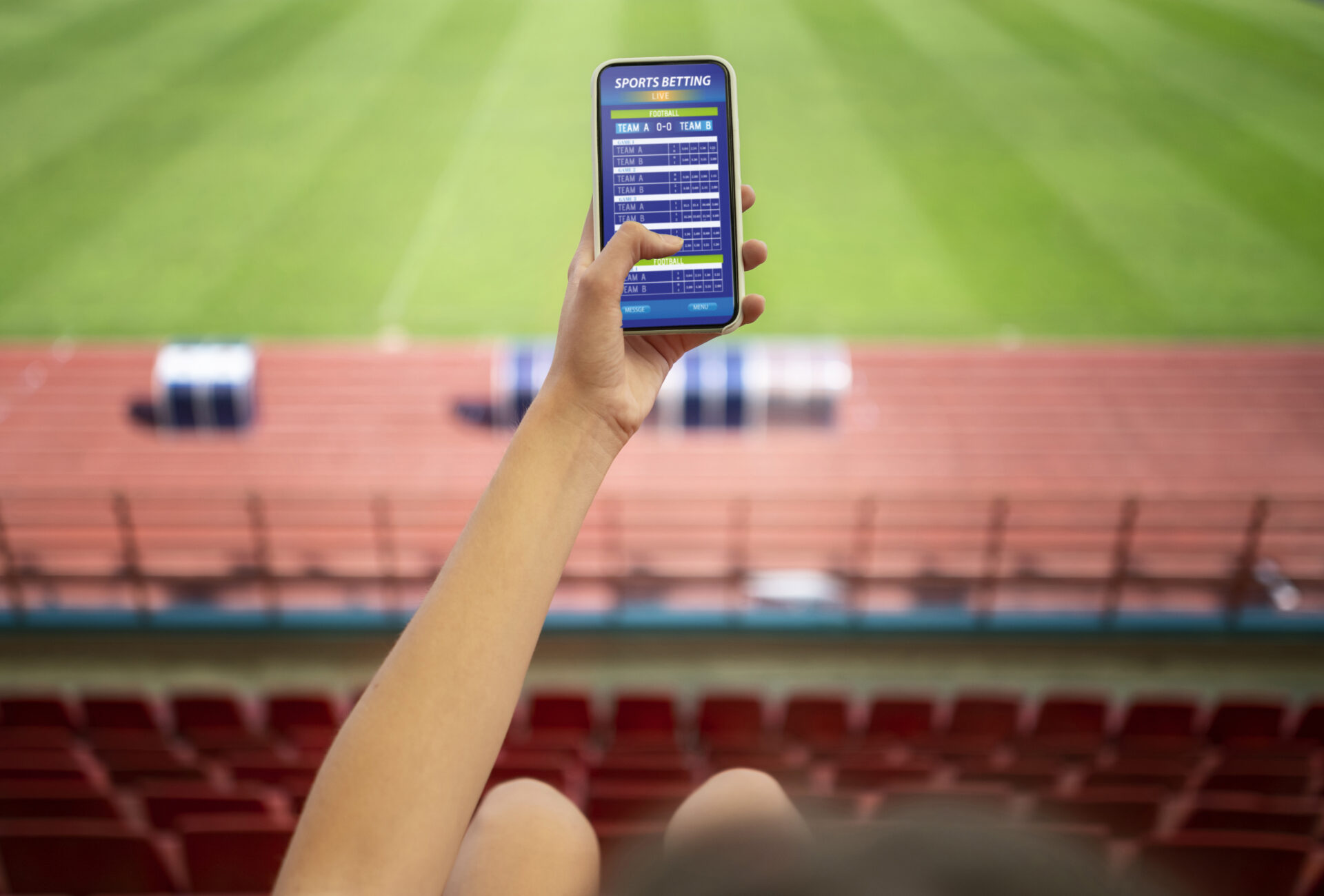
Football in France is not only something people watch; it is something they talk about all the time. In cafés, on trains, at home, across social platforms. Ligue 1 and the national team are followed not just with eyes, but with words, debates, jokes, frustrations, and bursts of emotion shared instantly online.
Modern communication tools have pushed this culture even further. Messages appear the second a pass is missed, or a striker scores, or the referee raises a yellow card. Some sentences are very short. Others run long and detailed. This mix mirrors the way French supporters speak online—fast, irregular, passionate, unpredictable.
The rise of football live talk: a new habit for modern fans
Football live talk has become a routine for millions of French supporters. People no longer wait for the final whistle to share their reactions. They talk as the match unfolds. A quick shout in text form. A longer tactical breakdown. A sarcastic comment. A moment of anger.
Everything is thrown into the digital space immediately. Several media studies estimate that around 65 percent of connected football fans comment during the match rather than after it. This is a huge shift. Watching a game alone is no longer enough; the experience feels richer when shared, even through a small screen.
The central role of online fan communities
Online fan communities now act as virtual stadiums. They gather people of all ages and backgrounds. Some focus on numbers and analytics. Others talk about transfers. Some only react emotionally.
The result is a large, moving group of voices that never fully agree but always stay active. These communities also allow supporters to meet beyond geography. A fan in Marseille can debate directly with another in Lille or Paris.
During big Ligue 1 clashes or key matches of the French national team, message volumes often reach hundreds of thousands of posts. Sometimes more. The online fan communities have become permanent, open, and noisy spaces—very similar to the stands, but infinitely bigger.
Fan opinions: powerful, fast, and highly visible
Fan opinions spread incredibly fast in France. A single message can go from a small chat group to a massive audience in a matter of minutes. Supporters’ debates, once limited to radio call-in shows or bar conversations, now influence media outlets, trending topics, and even players’ reputations.
Some Ligue 1 footballers have seen their popularity rise or fall based on what fans say online during and after matches. This chain reaction—fans speak, media amplify, fans react again—creates a loop that shapes the national football narrative almost every week.
Real-time football reactions: sharing emotions moment by moment
Real-time football reactions are now part of how people understand a match. When France scores, messages explode across multiple platforms.
Notifications appear everywhere. The digital noise becomes part of the experience. Some reactions are only a few words. Sometimes even a single word. Others resemble mini-articles, long and detailed.
This inconsistent, emotional mix is exactly what makes real-time commentary feel alive. Thanks to real-time football reactions, a goal scored by the national team becomes a shared event even when fans are sitting alone at home.
Interactive online chats: a growing trend
Interactive chats have become extremely popular for good reasons:
- They allow direct questions to other fans.
- They support live debates.
- They help explain decisions and tactics.
- They provide real-time statistics and context.
Many fans describe these chats as “the new sports bar.” No need to travel, no need to know anyone in advance. You click, you enter, you talk, and it doesn’t matter where you are: France, the US, or maybe Singapore. You can either be in a large, noisy chat or launch a US random video call 1-on-1. The location is arbitrary, as it’s just you and the person you’re chatting with. The US random video call format is suitable for both young and old, for those looking to find a like-minded person or for those wanting to argue about the results of a match.
Why real-time formats are so appealing to French supporters
There are several reasons. First, football creates strong emotions, and emotions demand expression. Immediately. Second, the pace of the sport encourages it. A quick counterattack or a controversial call creates instant debate. Third, the digital habits of modern life support constant messaging. French users check their phones roughly 100 times a day, according to various studies.
Because of this, participating in discussions becomes natural. Live chats, messaging apps, comment sections on sports sites, and voice chat rooms all act like open doors where fans can jump in and react whenever they want.
Ligue 1, the national team, and the rise of multi-screen communication
French football fans rarely watch a match on a single screen anymore. Television shows the game. Smartphones show reactions. Apps show statistics. The moment a match features PSG, Marseille, Lyon, Lens or a major foe, the internet lights up, often breaking previous traffic records. Certain evenings push more than a million messages across a range of platforms, reports from several monitoring firms confirm.
You’ll notice more chatter around France’s national side these days. Imagine a tournament where, minute by minute, tens of thousands of reactions erupt, keeping the atmosphere electric. It’s as if the digital banter were a second contest layered over the real one.
Conclusion: A deeply connected football culture
French football culture is changing, shaped by digital tools that bring supporters closer together. Fans no longer just watch; they react, debate, and create shared meaning in real time. Over time, chatting about football in real time slipped into my daily life. What fans think often drives the narrative people hear.
Whether it’s a fresh release or a classic favorite, fans chat around the clock on their online hubs. When the clock hits zero, the football conversation doesn’t stop; it rolls on, gaining new angles. Football isn’t just a pastime in France any longer; it fuels conversation at cafés and rallies in neighborhoods. You’ll need to be less robotic sounding by changing sentence structure and using different word choices.You’ll experience a perpetual virtual dialogue.



Add your first comment to this post