





Navigating the financial burden of sports injury bills can be overwhelming for athletes. Legal solutions offer a pathway to recovery by addressing potential liability, insurance claims, or negligence. Consulting with a personal injury attorney helps injured players explore compensation options, whether through lawsuits, insurance settlements, or employer responsibility.
In this article, we will provide proper legal guidance so athletes can secure financial support to cover their overall expenses and ongoing treatment expenses.
Understanding Your Rights as a Player
As reported by the NSC Injury Facts, there were 3.7 million cases of sports injuries in the US in 2023. These individuals were treated in the emergency department for wounds caused by sports and recreational gear. The sports that caused the most injuries were cycling, exercise, and basketball.
When a player gets injured, knowing their rights becomes crucial for protecting their well-being and career. Players have the right to fair compensation, safe working conditions, and adequate medical care under legal frameworks like labor laws, contracts, and league agreements. They also have the privilege to seek compensation for injuries caused by negligence or unsafe conditions.
Legally, these rights are connected through employment agreements, liability laws, and collective bargaining agreements in professional sports. By being informed, players can take legal action when rights are violated, ensuring protection against exploitation, unfair treatment, and inadequate injury management. Knowledge empowers players to safeguard their future.
How do contracts and waivers affect an athlete’s ability to seek compensation?
Contracts and waivers can limit an athlete’s ability to seek compensation by outlining liability terms and injury-related responsibilities. While waivers often protect organizations from negligence claims, they are not always enforceable, especially if gross negligence is proven. Athletes must carefully review these documents to understand their rights and legal recourse.
Workers’ Compensation for Injured Athletes
This compensation provides financial support for medical bills, lost wages, rehabilitation, and disability benefits following an injury sustained during training or competition. Types of compensation include medical care coverage, temporary or permanent disability advantages, and vocational restoration.
As per the CDC, the worker’s compensation is governed by state law. There is no central record of worker’s compensation data in the US. Each state individually gathers data from private industry workers and state and local government employers. The federal government upholds distinct workers’ compensation databases for federally-governed workers.
While workers’ compensation is often part of contractual agreements, athletes can pursue it legally by filing claims through their employer’s insurance. In some cases, seeking a lawsuit for negligence if the injury results from unsafe conditions. Legal action ensures athletes receive full compensation, especially if workers’ compensation benefits are insufficient or disputed by the employer or insurer.
How do workers’ compensation laws apply to athletes who are wounded during games or practice?
Workers’ compensation laws apply to athletes injured during games or practice by providing financial support for medical treatment, rehabilitation, and lost wages. Athletes are typically covered under workers’ compensation if the injury occurs while performing job-related assignments, including training and competitions. The coverage depends on the athlete’s employment status and contract terms.
Personal Injury Lawsuits: When to Pursue Legal Action
Personal injury lawsuits allow athletes to seek compensation for injuries caused by negligence, unsafe conditions, or intentional harm. Athletes should consider pursuing legal action when workers’ compensation or insurance does not fully cover medical expenses, lost wages, or long-term effects.
According to the American Association of Neurological Surgeons, approximately 1.7 to 3.8 million severe brain injuries occur every year in the US. Out of these, 10% of injuries occur due to sports-related and recreational exercises. Legal action is also appropriate if the injury was caused by another party’s negligence, like an unsafe playing environment or faulty equipment.
Consulting an attorney is crucial to understand if the injury falls under negligence laws and whether pursuing a lawsuit is the best option. A successful personal injury case can provide financial relief and accountability for the responsible party.
Are there time limitations on filing a personal injury case after a sports-related injury?
Yes, there are time constraints, known as statutes of limitations, for filing a personal injury case after a sports-related injury. These time frames vary by jurisdiction but typically range from one to three years from the day of the injury. Missing the deadline may bar the athlete from seeking compensation through legal action.
Consulting an Attorney: The Role of Legal Experts in Injury Cases
After a sports injury, consulting a legal expert is crucial for navigating the financial and legal challenges that follow. Injuries can lead to medical bills, rehabilitation costs, lost wages, and long-term health issues. While athletes are familiar with recovery, many don’t fully understand their legal options for managing these costs and seeking compensation.
TorHoerman Law states that a personal injury attorney can help athletes determine if their injury qualifies for workers’ compensation or if negligence was involved. They can also evaluate whether seeking a lawsuit is essential or not. They can also assist with insurance claims, workers’ compensation benefits, and potential litigation against negligent parties, including coaches or facilities.
Legal experts guide athletes through filing claims, gathering evidence, and negotiating with insurance companies to ensure fair compensation.
Example: Soccer in Missouri and Legal Support for Athletes
Soccer has grown rapidly in Missouri, with Kansas City and St. Louis becoming major hubs. As Visit Missouri highlights, “Kansas City and St. Louis have become major soccer hubs, each with a growing soccer culture fueled by passionate fans.” This surge in popularity has attracted both experienced professionals and rising stars.
As soccer grows in popularity, players may face pressure to perform, leading to overtraining and injuries. For athletes, it’s crucial to recognize when an injury may stem from unsafe practices or excessive stress rather than bad luck. In such cases, consulting a local Kansas City or St. Louis personal injury attorney can help athletes explore legal options. This can enable them to pursue compensation and focus on their recovery.
Insurance Claims for Sports Injuries
Insurance claims for sports injuries provide athletes with financial assistance for medical treatment, rehabilitation, and lost wages. These claims can be filed through health insurance, disability insurance, or specific policies like accident or sports injury coverage. Athletes should review their policies to understand coverage limits, exclusions, and procedures for filing a claim.
The process often involves providing medical records, proof of the injury’s connection to sports activities, and detailed documentation. While insurance can help cover costs, delays or denials are common, so athletes may need legal assistance to ensure fair compensation.
Athlete’s Legal Protections in College and Amateur Sports
Athletes in college and amateur sports have legal protections designed to ensure their safety, fair treatment, and compensation for injuries. These protections include provisions under the NCAA, Title IX, and various state laws, which mandate equal opportunities, prohibit discrimination, and ensure safe playing environments.
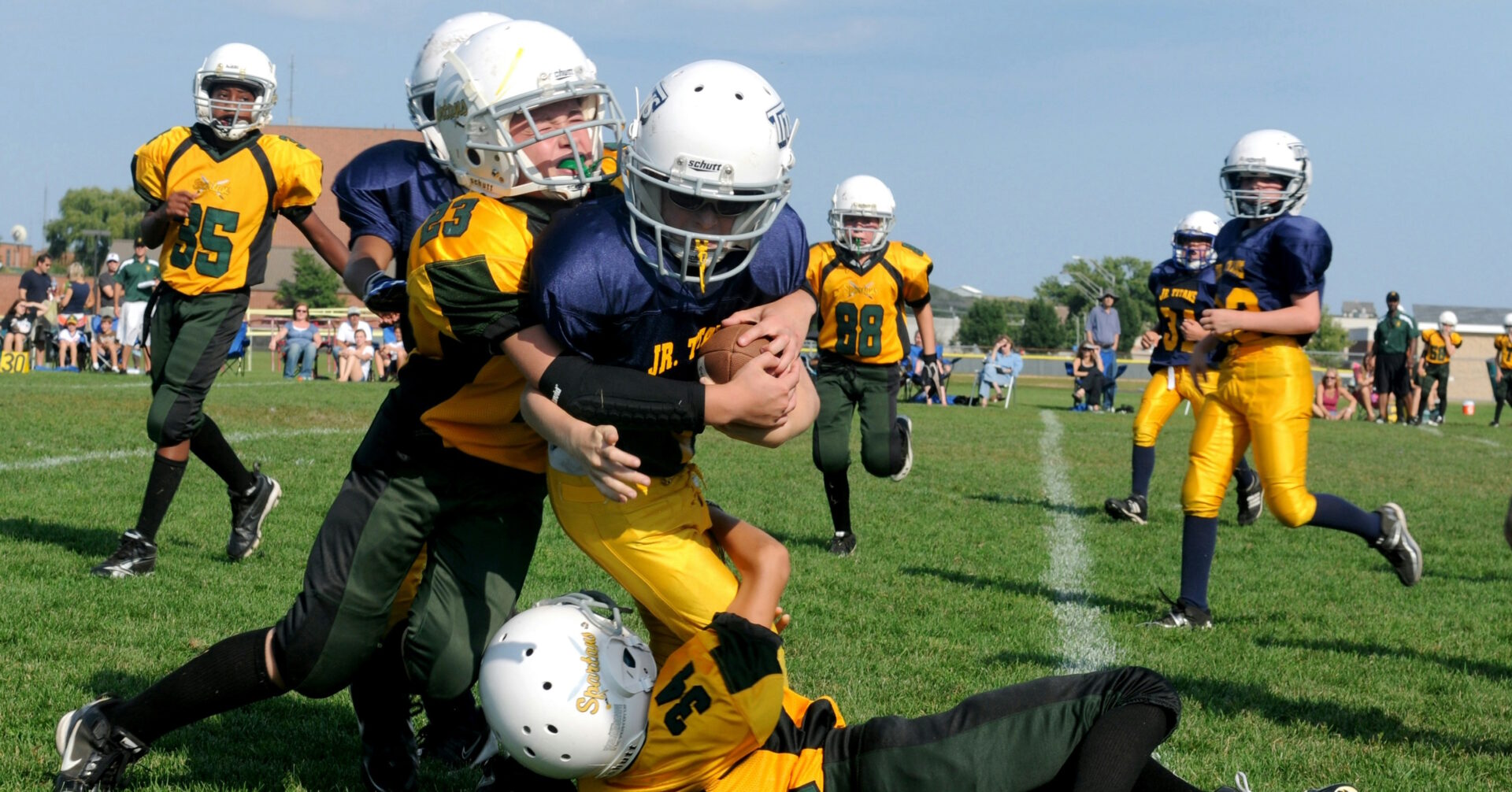
According to Stanford Medicine Children’s Health, around 30 million kids and teens participate in some form of organized sports. Around 3.5 million injuries are also reported among the participants. One-third of all injuries that occur in childhood are related to sports. The most common injuries are strains and sprains.
In the event of an injury, athletes may be entitled to medical care, compensation, and legal recourse if negligence is involved. However, legal rights can vary depending on the governing body and specific contracts or waivers athletes sign. Athletes must understand their rights and consult legal experts when needed.
Protecting Athletes’ Rights and Recovery
Understanding legal protections, insurance options, and workers’ compensation is crucial for athletes facing injury. By being aware of their rights, athletes can pursue fair compensation and ensure they are supported throughout their recovery. Legal guidance helps navigate complex claims and ensures athletes can focus on their rehabilitation and return to play.


Add your first comment to this post